


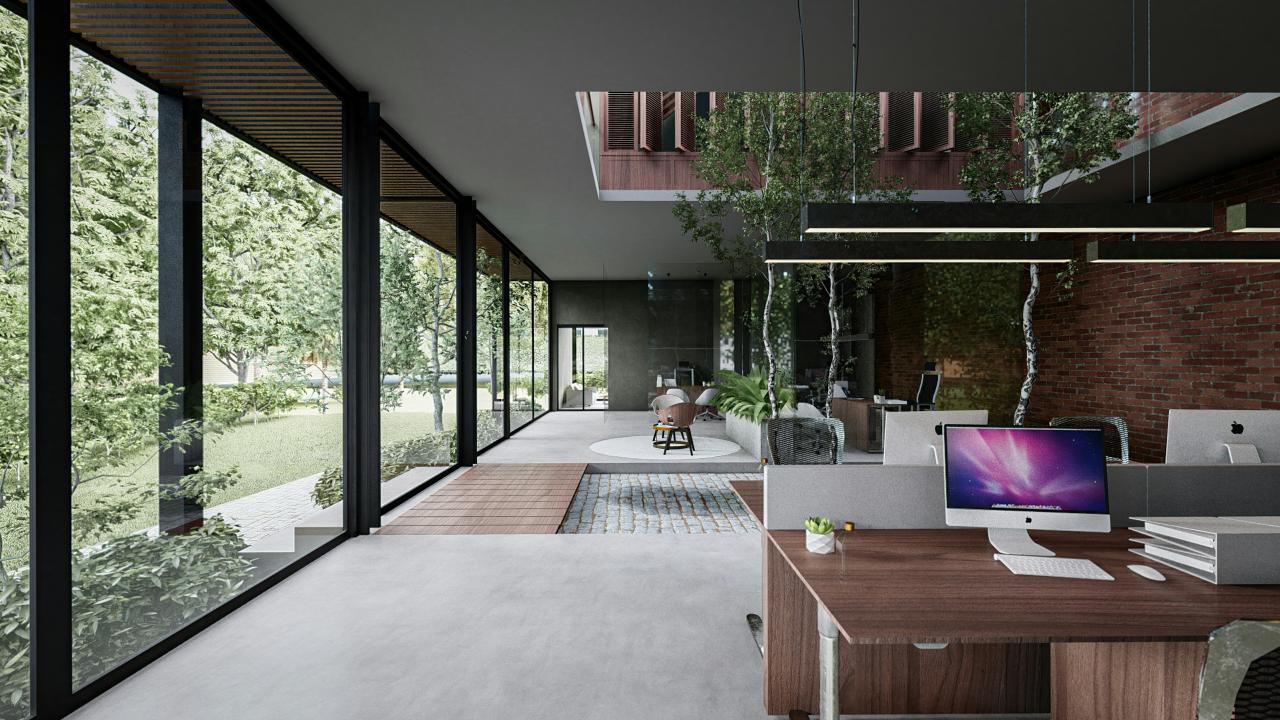
The global corporate landscape is currently undergoing a period of profound re-evaluation as the structural foundations of traditional workplace regimes encounter the disruptive potential of biological integration and advanced computational wellness modeling. This evolution is not a localized phenomenon but a systemic shift that mirrors the great industrial transitions of the past, moving from sterile, cubicle-heavy layouts to the responsive, software-defined ecosystems that define the modern high-performance professional experience.
We are currently witnessing an era where the concept of “employee resilience” is being decoupled from legacy mental health benefits, as institutional developers and visionary corporate leaders explore the integration of living architecture and agentic artificial intelligence to mitigate the risks associated with chronic stress and cognitive fatigue. For professional asset managers and workplace designers, the historical trajectory of environmental psychology provides the essential context required to navigate the current shift toward a multi-functional habitat system, where the supremacy of the isolated, artificial office is increasingly challenged by integrated, data-rich biophilic initiatives.
These strategic transitions utilize sophisticated generative design frameworks to balance aesthetic narrative against the need for physiological equity, providing a transparent roadmap for the future of resilient infrastructure and long-term human capital preservation. As the global regulatory environment adapts to the presence of stricter social sustainability standards and wellness mandates, the demand for high-integrity spatial computing and smart building automation within green interiors is reaching a historic peak, creating a massive opportunity for early adopters of next-generation workplace logic.
Furthermore, the application of Internet of Things sensors and robotic data collection is providing a level of precision that was previously impossible, effectively reducing the operational friction inherent in traditional office maintenance and ensuring that development remains aligned with neuro-biological goals. Navigating this complex landscape requires a deep understanding of the historical failures of fragmented spatial data, the rigidities of the “lean” office era, and the emerging theories of biophilia that are defining the modern era. By securing a position in these high-value digital pillars today, organizations can future-proof their portfolios against the inevitable shift in workforce expectations while playing a decisive role in the stabilization of the global corporate ecosystem.
A. Core Architecture Of Living Digital Replicas
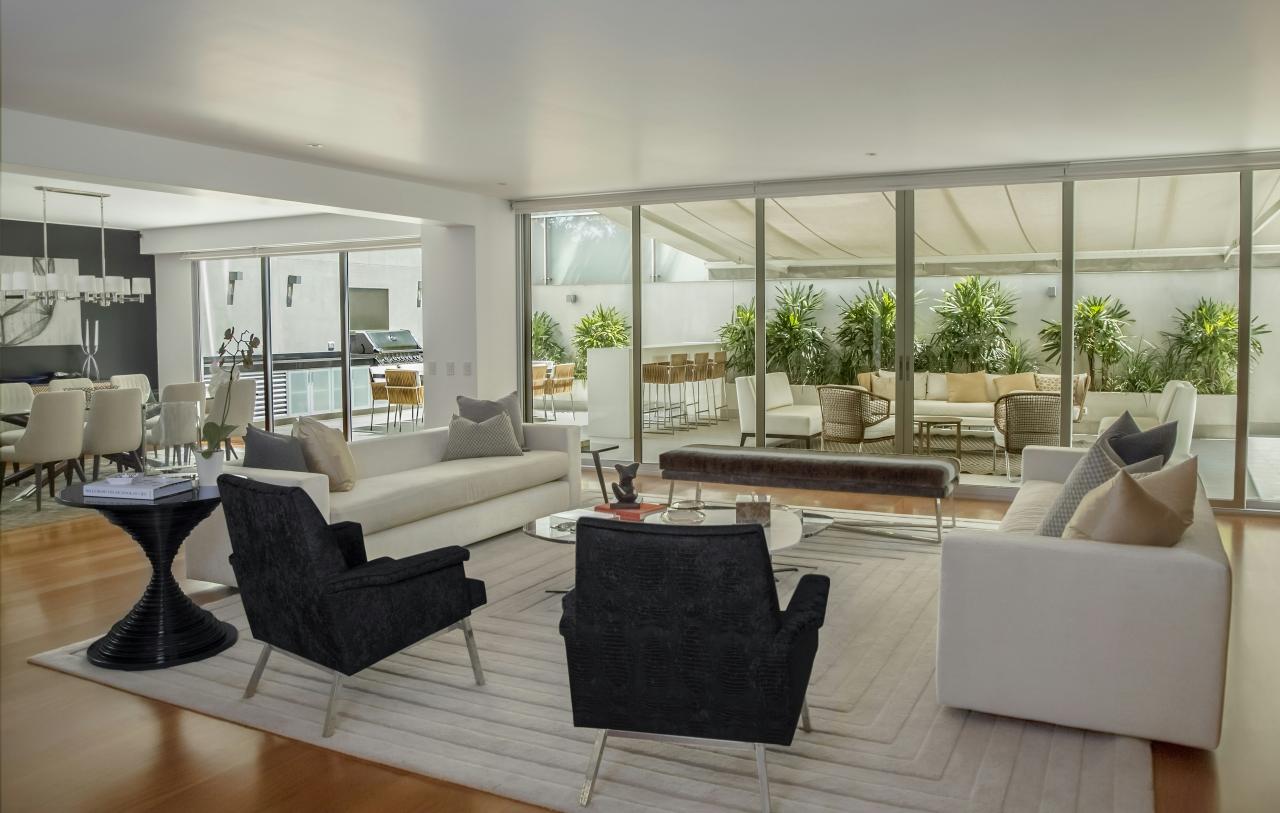
The hallmark of the modern era is the transition from static plant decoration to the creation of living digital twins that monitor the health of the interior ecosystem. Professional integrators focus on creating a bidirectional data flow where soil moisture sensors inform the virtual model and the model directs automated nutrient delivery systems.
This approach transforms the office into a functional, responsive organism capable of adapting to immediate atmospheric stimuli. By utilizing cloud-native spatial computing, developers can achieve high-performance simulations that attract premium institutional investors and enterprise wellness partners.
The goal is to create a symbiotic relationship between the professional environment and the digital data layer. This ensures long-term viability and resilience against shifting workforce dynamics and the increasing frequency of burnout-related turnover challenges.
B. Strategic Data Integration and Circadian Capture
The foundation of a high-value biophilic project lies in the precision of its initial data capture through light-spectrum analytics and circadian mapping. These technologies act as the digital eyes of the project, trapping every photon of natural light within a high-fidelity virtual vault for the entire lifecycle of the building.
Integrators utilize digital material passports to track the health and carbon-sequestration potential of every living wall and timber component within the twin. This level of transparency is essential for high-level risk assessment and for securing premium insurance rates that increase the terminal value of the corporate estate.
By prioritizing high-resolution spatial data, portfolios can drastically reduce their overall maintenance errors. This strategic choice also protects the infrastructure from the volatility associated with poor indoor air quality and inadequate ventilation mapping.
C. Advanced Acoustic Flow and Soundscape Orchestration
A successful biophilic office is only as reliable as the acoustic systems it simulates, necessitating the use of real-time sound data and natural noise-masking integration. Integrators prioritize the installation of intelligent water features and V2X-style communication nodes to create a decentralized sensory management profile.
These systems allow the workplace to operate independently of traditional mechanical noise cycles during peak focus hours. This autonomy provides a significant competitive advantage for corporate tenants who require frictionless cognitive environments for their high-velocity operations.
Surplus acoustic capacity can be traded within local “quiet zone” networks to optimize floor-plate usage. This intelligent orchestration ensures that the district remains a productivity hub rather than a chaotic cost center for the employees and the organization alike.
D. Biomorphic Patterns and Cognitive Balance
Modern biophilic designs recognize that professional health is inextricably linked to the visual complexity of the surrounding environment. Professional designs incorporate fractal patterns and organic geometries to improve the cognitive performance of occupants within rigid architectural shells.
Studies show that environments with high biomorphic integration managed via digital twins lead to lower stress levels and higher creative output. For high-end corporate headquarters, this translates to higher property values and lower vacancy rates as tenants prioritize evidence-based wellness.
The use of real-time eye-tracking data prevents the “visual fatigue” effect common in legacy minimalist structures. This commitment to environmental transparency is a key differentiator for premium brands seeking to provide a superior user experience.
E. Smart Social Infrastructure and Adaptive Green Hubs
The move toward software-defined biophilia represents a shift from reactive gardening to proactive asset management within green zones. Systems utilize an array of IoT sensors to monitor leaf temperature and air purification rates in real-time, adjusting humidity for maximum comfort.
Integrators work closely with horticultural engineers to create twins that simulate future growth patterns and potential pest threats in indoor gardens. This predictive capability allows for surgical interventions that preserve the physical integrity of the greenery while minimizing disruption to professional life.
Data-driven management ensures that every dollar of the landscaping budget is utilized to its highest potential. This focus on efficiency is essential for maintaining high-yield margins in increasingly competitive global talent markets.
F. Circular Construction and Regenerative Material Safety
Institutional developers are moving away from the “extract-use-dispose” model toward a fully circular workplace lifecycle managed through the digital twin. Modular fabrication and off-site assembly of living partitions allow for precision engineering that eliminates construction waste.
Regenerative assets within the twin are designed for disassembly, meaning that components like substrate and plant modules can be recovered and reused. This preserves the capital value of the materials and reduces the need for expensive demolition and disposal fees.
This approach significantly speeds up the development timeline for new biophilic districts, allowing for faster capital rotation. Circularity is not just an ethical choice but a sophisticated strategy for long-term resource security within the smart office framework.
G. Local Resource Sovereignty and Atmospheric Simulation
High-value biophilic twins prioritize the collection and treatment of every data point that enters the air-quality boundary of the site. Systems utilize digital models to simulate pollutant paths and oxygen generation potential during high-occupancy events.
Integrated plant-based filtration systems are managed naturally before the air enters the local HVAC ecosystem. This reduces the burden on traditional mechanical systems and prevents the contamination of interior air during external pollution spikes.
Air-independent districts are increasingly attractive to institutional lenders in regions facing chronic urban smog. This level of environmental sovereignty is a primary pillar of modern risk mitigation for large-scale corporate portfolios.
H. Adaptive Reuse and Digital Heritage Preservation
The most sustainable safety strategy often involves the creative revitalization of existing industrial heritage into biophilic work hubs through digital twin verification. Professional architects specialize in transforming legacy sites into high-performance professional zones by simulating new natural systems.
Retrofitting allows for the preservation of significant embodied carbon while modernizing the building’s envelope and internal biophilic systems. This strategy often bypasses the zoning complexities associated with new ground-up developments in dense urban cores.
Adaptive reuse managed through a digital twin creates a unique aesthetic narrative that appeals to the technology sector. This blend of history and digital innovation is a powerful tool for brand differentiation and sustainable talent integration.
I. Neuroarchitecture and Sensory Restoration Balance
The ultimate expression of modern design is the use of spatial psychology to influence behavior and mood positively within the virtual biophilic model. Professional designers utilize specific light temperatures and scent diffusion to foster a sense of security and focus.
By understanding how the brain responds to different natural stimuli, integrators can create spaces that are naturally more restorative and less fatiguing. This scientific approach to design is essential for modern workplace providers who must compete for a high-quality global workforce.
Neuro-inclusive design ensures that the biophilic environment is accessible and comfortable for individuals with diverse sensory needs. This commitment to inclusivity broadens the potential resident base and enhances the social value of the infrastructure investment.
J. Holistic Biodiversity and Neighborhood Greening
Modern IoT networks often serve as managers for vertical sanctuaries of local flora and fauna within the office project. Integrators install bird-safe glazing and interior pollinator gardens to restore the local food chain and mitigate the urban heat island effect.
These green additions provide natural insulation and soundproofing, further reducing the building’s operational energy needs. A biodiverse site is also more resilient to pests and diseases, reducing the need for chemical maintenance in indoor planter systems.
Contributing to local biodiversity improves the public perception of the project and simplifies the approval process for future developments. Interior greening is the final step in creating a network that truly gives back more than it takes from the environment.
Conclusion
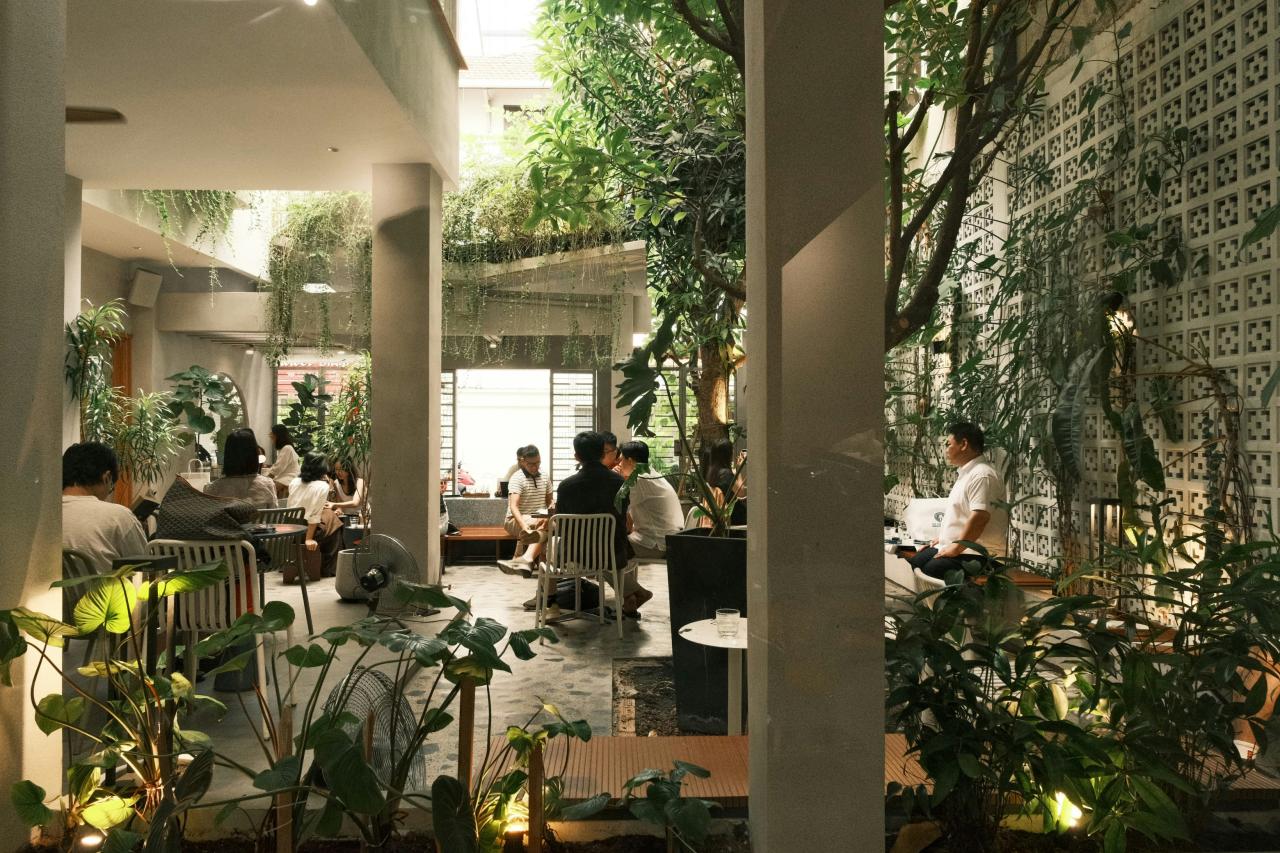
Biophilic workspace integration is the future of the global corporate market. Workplace managers must prioritize data synchronization over simple decoration to maintain value. Choosing high-fidelity reality capture is the most effective way to future-proof a corporate asset. Smart technology provides the essential data needed for proactive environment management. Human wellness is now the primary metric for successful commercial and professional spaces.
Atmospheric and spatial sovereignty protect corporate portfolios from the failure of traditional office models. Adaptive reuse of legacy structures leads to high-yield conversion of metropolitan professional assets. Circular construction models reduce waste and speed up the total office development cycle. Neuroarchitecture ensures that the built environment supports diverse cognitive and social needs. The synergy of data and biophilic design is the essential foundation for modern prosperity.

