


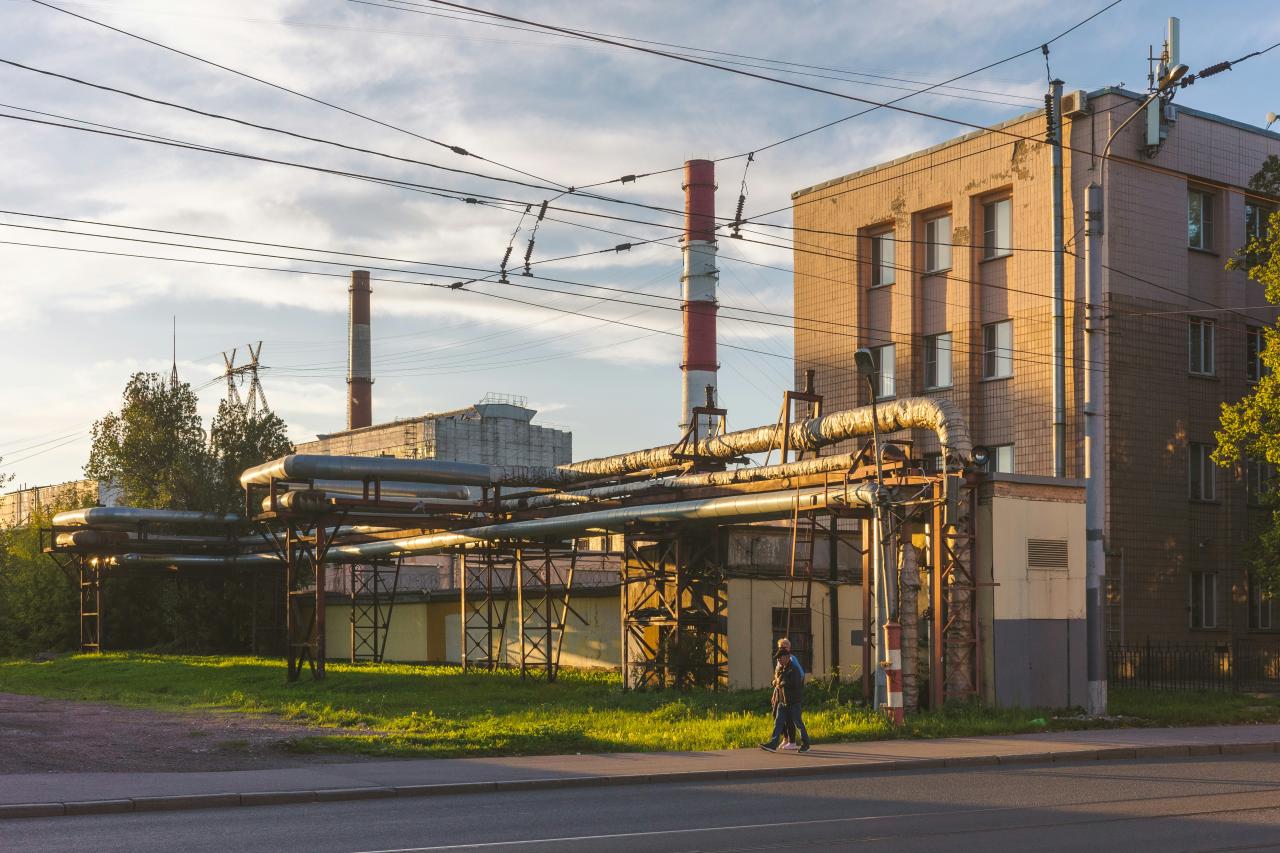
The profound transformation of abandoned industrial zones into vibrant mixed-use developments represents one of the most lucrative and socially impactful trends in modern real estate investment and urban planning today. These massive sites, which once served as the backbone of the manufacturing era, often possess a unique architectural character and a structural scale that is impossible to replicate in brand-new construction projects. As global cities face increasing pressure to provide high-density housing and diverse commercial hubs, the strategic repurposing of these brownfield assets offers a sustainable alternative to urban sprawl.
This complex process involves a sophisticated blend of environmental remediation, structural engineering, and visionary interior design to create spaces where people can live, work, and socialize in a seamless environment. Investors are increasingly drawn to these projects because they offer a distinct competitive advantage in the luxury market, appealing to a demographic that values authenticity and historical narrative over generic modern builds. However, the transition from a heavy industrial past to a refined mixed-use future requires navigating a labyrinth of zoning regulations and high-level technical challenges that demand significant capital and expertise.
By integrating residential lofts, boutique offices, and artisanal retail spaces into a single footprint, developers can maximize the financial yield of a property while fostering a resilient local economy. The successful execution of such a project acts as a powerful catalyst for neighborhood revitalization, drawing in premium tenants and high-end services that redefine the local landscape.
Ultimately, the art of industrial repurposing is about more than just physical renovation; it is a strategic reimagining of how we utilize our urban heritage to build a more functional and aesthetically compelling future for the next generation of city dwellers. This holistic approach ensures that the “soul” of the building is preserved while its utility is exponentially increased to meet the sophisticated demands of the current global economy.
A. Comprehensive Environmental Site Assessment
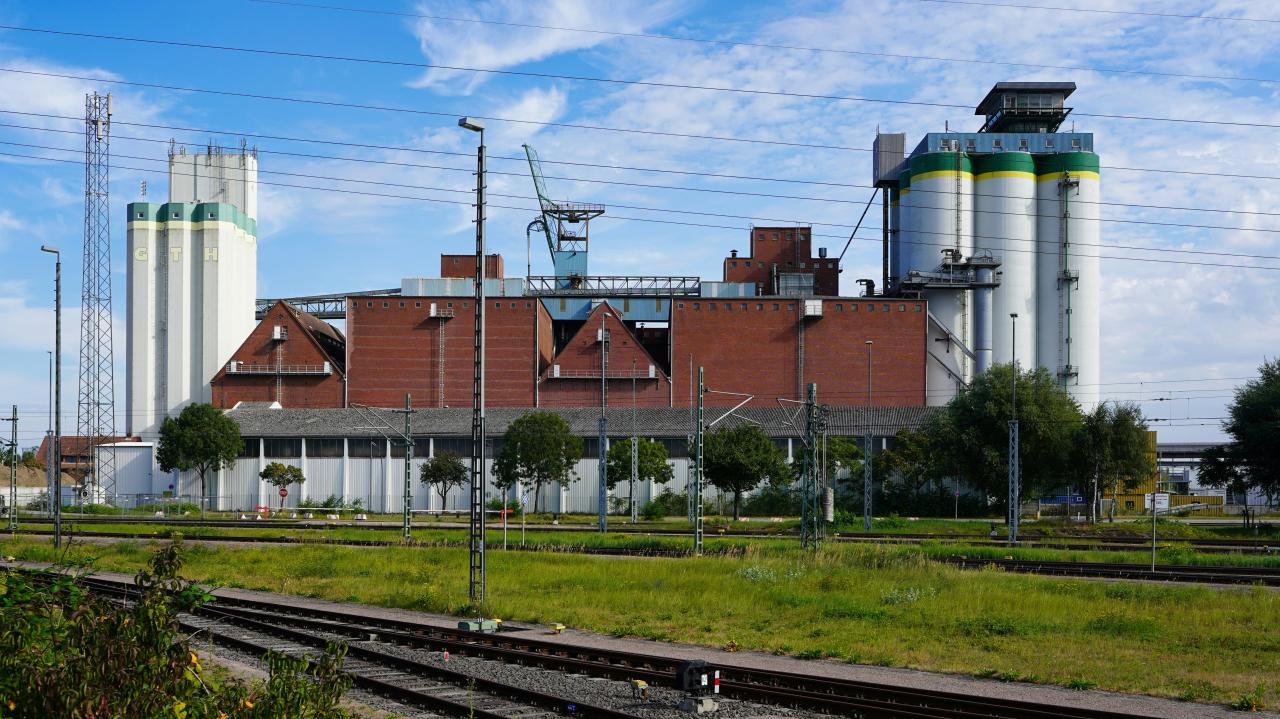
Before any physical construction begins, a deep environmental audit is required to identify any legacy pollutants from the site’s manufacturing history. Professionals use advanced soil and groundwater testing to determine if hazardous materials like heavy metals or old fuel deposits are present. This stage is critical for ensuring the long-term health and safety of future residents and commercial tenants.
B. Strategic Structural Integrity Reinforcement
Industrial buildings were designed for heavy machinery, but transitioning to mixed-use requires meeting modern residential and commercial safety codes. Engineers often add high-strength steel bracing or carbon fiber wraps to original columns to enhance seismic resistance and load-bearing capacity. This ensures the structure can handle new additions like rooftop gardens or heavy high-end kitchen installations.
C. Designing Open Concept Residential Lofts
The hallmark of industrial repurposing is the creation of expansive living spaces that utilize high ceilings and massive floor-to-floor heights. Architects remove non-structural partitions to allow natural light to penetrate deep into the interior of the building. These luxury lofts often feature original brickwork and exposed timber beams, which are highly sought after by premium residential buyers.
D. Integrating Flexible Boutique Office Spaces
Mixed-use developments thrive by providing creative professionals with workspaces that inspire innovation and collaborative thinking. These office modules are often designed with modular glass walls that allow for easy reconfiguration as a business grows or changes. High-speed digital infrastructure is integrated into the historical shell to support high-performance tech operations.
E. Curating Artisanal Retail And Dining Hubs
The ground floor of a repurposed industrial site is the perfect location for high-end dining experiences and unique retail boutiques. Large original bay doors can be replaced with expansive glass storefronts that invite the public into the building’s communal core. This creates a vibrant street-level energy that increases the overall market value of the residential units above.
F. Advanced Acoustic Insulation Systems
Living in a mixed-use environment requires a sophisticated approach to sound management between commercial and residential zones. Developers install thick layers of high-density acoustic mineral wool and resilient channels to prevent noise from a busy restaurant from reaching a private bedroom. This ensures a peaceful living environment even in the heart of a bustling urban center.
G. Modernizing Vertical Transportation Logistics
Original freight elevators are often restored for their aesthetic value but are supplemented by high-speed, smart-controlled passenger lifts. These new systems are designed to handle the varied traffic flow of a mixed-use building, separating residential access from commercial deliveries. This logistics management is essential for maintaining the privacy and security of the building’s inhabitants.
H. Sustainable Building Envelope Upgrades
Old industrial walls are often poorly insulated, leading to massive energy loss and uncomfortable internal temperatures. Retrofitting the envelope involves applying high-performance vapor-permeable insulation and installing custom double-glazed windows that mimic the original steel frames. This significantly reduces the carbon footprint of the building and lowers operational costs for the owner.
I. Smart Building Technology Integration
Modern mixed-use sites utilize the Internet of Things to monitor energy consumption and security in real-time. Automated climate controls and smart lighting systems adjust themselves based on occupancy levels to ensure maximum efficiency. This high-tech layer provides premium tenants with the convenience they expect from a luxury property investment.
J. Preserving Industrial Aesthetic Details
Maintaining the “patina” of the building is essential for preserving the historical narrative that gives the site its unique market appeal. Specialized cleaning techniques are used to restore original signage, metal pulleys, and mechanical artifacts that are then featured as art pieces. This attention to detail separates a top-tier repurposing project from a standard renovation.
K. Implementing Green Infrastructure Solutions
Many repurposed sites utilize their large roof areas for urban farming or solar energy collection. Rainwater harvesting systems are often integrated into the original plumbing to provide water for landscaping and communal cooling towers. These green features appeal to environmentally conscious investors and help the building meet strict sustainability certifications.
L. Navigating Complex Zoning Reclassifications
Repurposing an industrial asset usually requires a legal transition from “heavy industrial” to “residential” or “commercial” zoning categories. This process involves working closely with city planners to prove that the new use will benefit the community and support urban density. Successful developers often secure “incentive zoning” by including public spaces or affordable units within the project.
M. Advanced Fire Suppression And Life Safety
Mixed-use codes require sophisticated fire separation between different types of occupancy. Developers install high-concealment sprinkler systems and pressurized stairwells that ensure a safe exit path during an emergency. These systems are carefully hidden within the historic architecture to avoid disrupting the visual flow of the high-ceiling spaces.
N. Optimizing Natural Daylight Harvesting
Because industrial buildings are often deep, getting light to the center is a primary design challenge. Architects may cut internal light wells or install high-performance skylights to bring sun into the heart of the structure. This reduces the need for artificial lighting and improves the mental well-being of the building’s occupants.
O. High End Interior Material Selection
To complement the raw industrial shell, designers select premium finishes like marble, brass, and custom hardwoods. This contrast between the “gritty” exterior and the “polished” interior creates a sophisticated atmosphere that attracts high-net-worth individuals. Quality materials ensure that the project retains its luxury status for decades to come.
P. Creating Secure Private Entry Points
A successful mixed-use project must balance public accessibility with private security for its residents. This is achieved through the use of biometric scanners and dedicated concierge desks at separate residential entrances. Secure underground parking or automated valet systems are often added to provide a seamless transition from the street to the home.
Q. Cultural Heritage Impact Assessments
In many jurisdictions, industrial sites are protected by heritage laws that limit the amount of change allowed to the exterior. Developers must provide detailed reports on how they will preserve key historical features while making the building functional. This respectful approach often leads to tax incentives and grants that help offset the high cost of restoration.
R. Community Engagement And Public Spaces
Top-tier developments often include public art galleries or pocket parks that invite the local community into the site. This foster a positive relationship between the developer and the neighborhood, reducing resistance to the project. These public amenities also increase the desirability of the commercial spaces for retail tenants.
S. Strategic Phasing Of Construction
Repurposing a massive industrial site is often done in phases to allow for early revenue generation from certain sectors. For example, the commercial ground floor might open while the upper-level residential lofts are still being finished. This phased approach manages the financial risk of the project and builds early market momentum.
T. Long Term Asset Management Planning
Once the repurposing is complete, the building requires a specialized management team to handle the diverse needs of mixed tenants. Regular maintenance of historical materials and the constant upgrading of digital systems are necessary to maintain the property’s value. A well-managed mixed-use site becomes a permanent landmark within the city’s urban fabric.
Conclusion
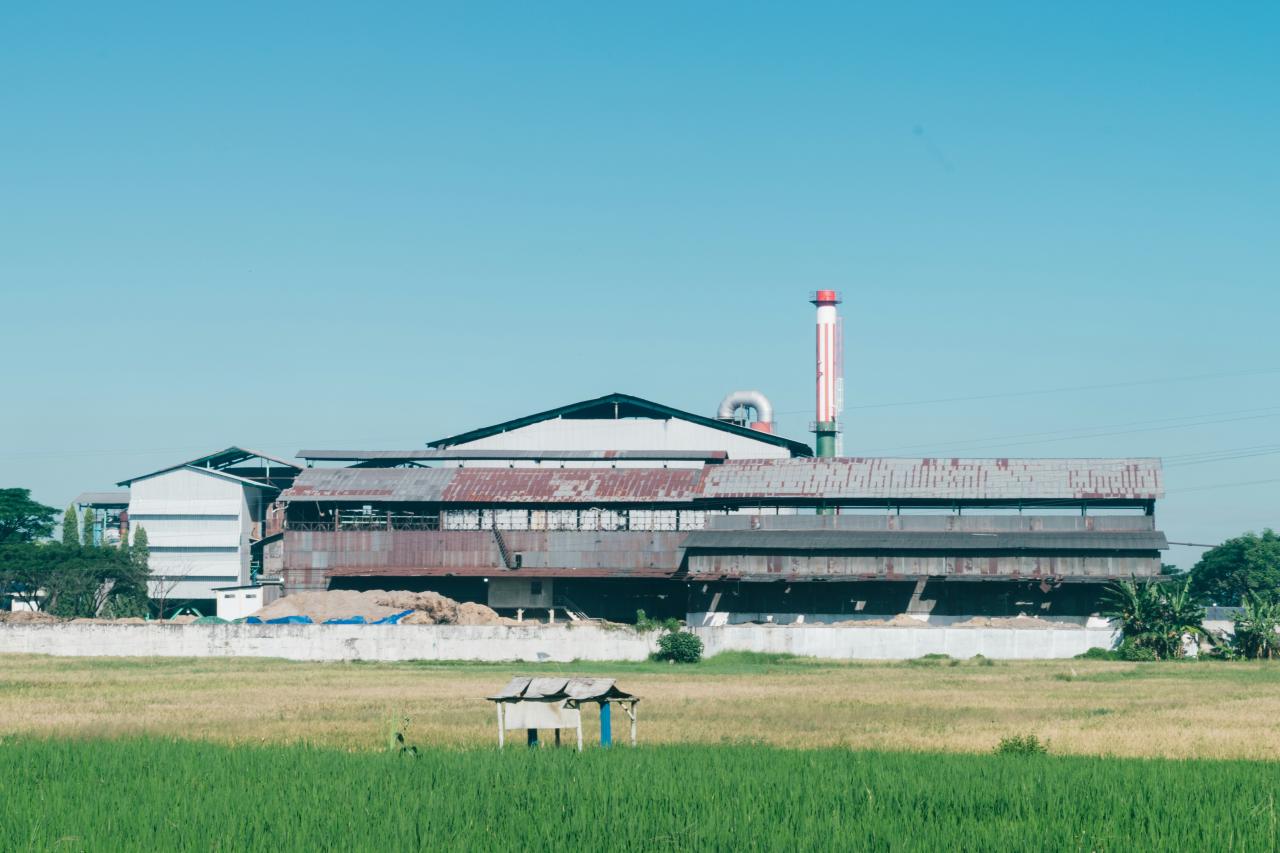
Transforming an industrial asset into a mixed-use hub is a powerful way to revitalize our modern urban centers. This process allows for the preservation of architectural history while meeting the housing and commercial needs of today. Investors benefit from a unique property that offers high returns and a distinct competitive edge in the luxury market.
The environmental benefits of repurposing existing structures are essential for achieving long-term sustainability goals. Every successful project requires a sophisticated balance of engineering expertise and creative design vision. The resulting spaces provide a high quality of life that blends historical character with modern technological convenience. Strategic repurposing acts as a catalyst for economic growth and social connectivity within the local community. Architecture is a continuous dialogue between our industrial past and our vision for a vibrant and diverse future.

