


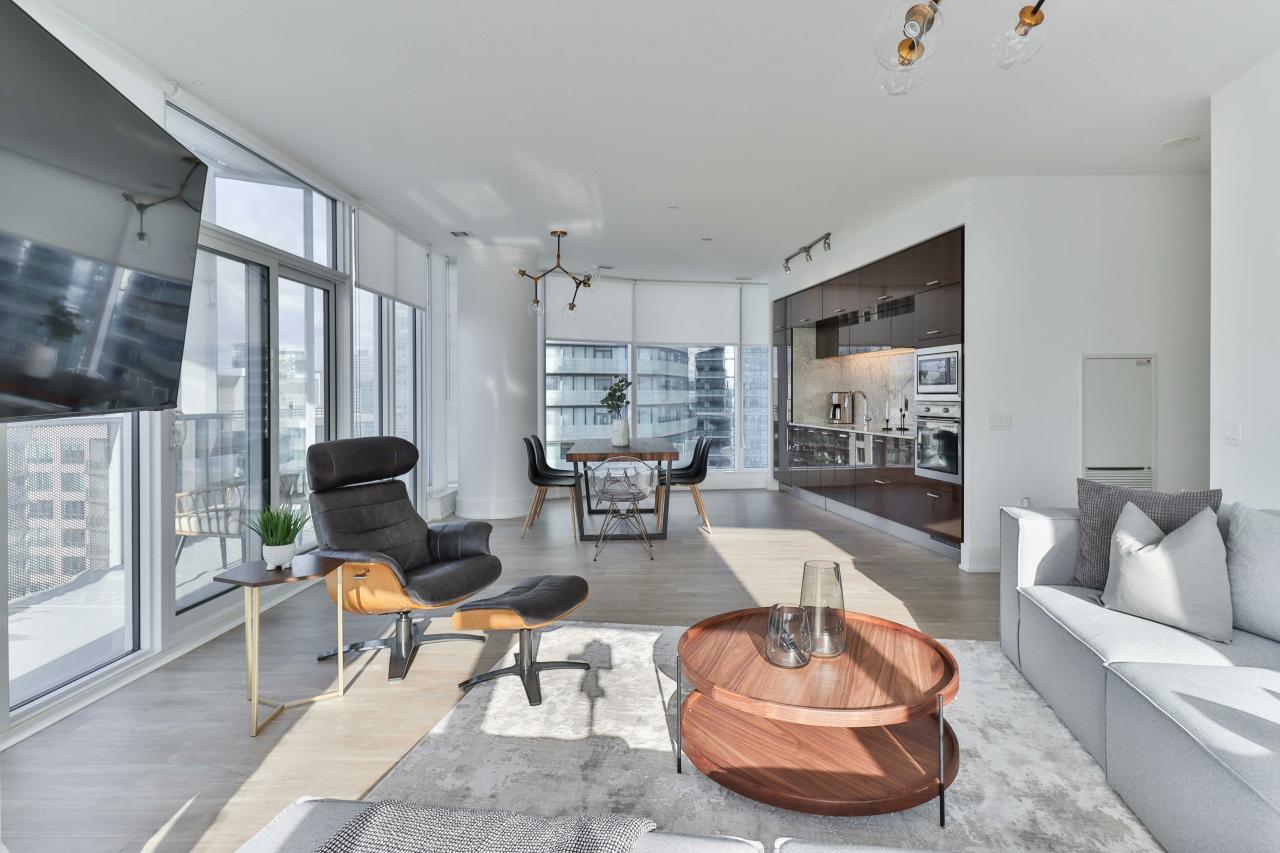
The fascinating metamorphosis of aging industrial structures into high-end residential spaces represents one of the most significant shifts in contemporary urban development and interior design philosophy today. These massive buildings, once the beating hearts of manufacturing and trade, often stand as silent monuments to a bygone era of heavy labor and mechanical production. As cities evolve and industrial zones move toward the outskirts, these central warehouses present a unique opportunity for architects and developers to breathe new life into forgotten neighborhoods.
The sheer scale of these properties allows for creative freedom that traditional residential construction simply cannot offer, featuring soaring ceilings and expansive floor plans that challenge our conventional understanding of home. Converting such a space is not merely about renovation; it is an act of historical preservation that honors the original craftsmanship while introducing the comforts of twenty-first-century living. Residents are increasingly drawn to these lofts because they offer a sense of character and authenticity that modern “cookie-cutter” apartments often lack.
This trend also supports urban density goals by repurposing existing footprints instead of expanding into green spaces, making it a win-win for both the environment and the local economy. Ultimately, the successful conversion of an old warehouse into a luxury loft requires a delicate balance of maintaining raw, gritty textures while ensuring the highest standards of modern luxury and functional elegance.
A. Evaluating the Structural Foundation Integrity
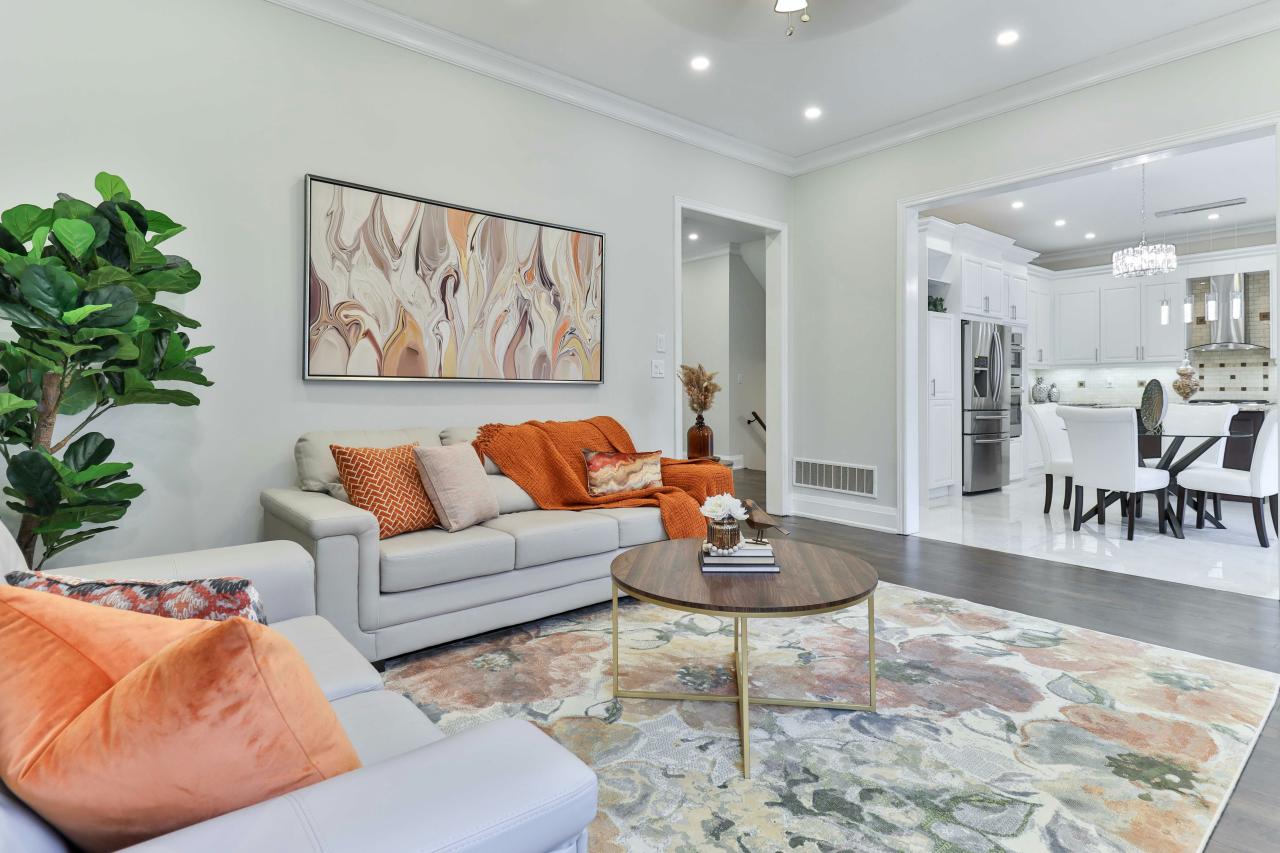
Before any aesthetic changes can happen, a thorough assessment of the existing bones is absolutely vital for safety. Many old warehouses were built to support heavy machinery, which means their load-bearing capacity is often exceptional for residential use. However, centuries of moisture or chemical exposure might have weakened certain areas of the brickwork or steel.
B. Cleaning and Restoring Original Brickwork
The exposed red brick is often the most desirable feature for anyone buying a luxury loft in an old district. Specialized sandblasting or chemical cleaning techniques are used to remove layers of old industrial paint without damaging the porous surface. Once cleaned, a professional sealant is applied to prevent dust and maintain the warm, rustic color of the clay.
C. Preserving the Massive Timber Beams
Many historic warehouses feature thick, old-growth wooden pillars that are nearly impossible to find in new construction. These beams are carefully sanded and treated with fire-retardant finishes to meet modern building codes while looking beautiful. They serve as a constant reminder of the building’s heritage and add an organic warmth to the industrial atmosphere.
D. Designing Soaring Open Concept Layouts
One of the biggest draws of warehouse living is the lack of internal load-bearing walls, allowing for massive, open living areas. Architects often use “zones” created by furniture or lighting rather than solid partitions to maintain the feeling of immense space. This layout is perfect for entertaining and gives the owner a sense of total freedom within their own home.
E. Installing High Performance Industrial Windows
Original warehouse windows were often single-pane and very drafty, which is not ideal for modern climate control. Luxury conversions replace these with custom-made, double or triple-glazed units that mimic the original steel-frame look. These new windows provide excellent soundproofing against city noise while keeping the interior temperature perfectly stable.
F. Leveling and Polishing Concrete Floors
Industrial floors are rarely perfectly flat, so developers often pour a thin layer of self-leveling concrete over the original surface. This new floor is then polished to a high-gloss mirror finish or a matte industrial gray depending on the desired vibe. Concrete is not only incredibly durable but also works perfectly with modern underfloor heating systems.
G. Integrating Hidden Smart Home Technology
Luxury lofts might look old-fashioned, but they are usually packed with the latest automated technology behind the scenes. Intelligent systems can control the massive window shades, multi-zone lighting, and integrated audio with a single smartphone app. This creates a seamless living experience where high-tech convenience meets historical charm.
H. Building Mezzanines for Extra Space
Because these buildings often have ceilings over fifteen feet high, adding a partial second floor or mezzanine is a popular choice. This elevated platform often houses the master bedroom or a private home office, overlooking the main living area. It effectively increases the usable square footage without losing the sense of vertical grandeur.
I. Upgrading to Commercial Grade Kitchens
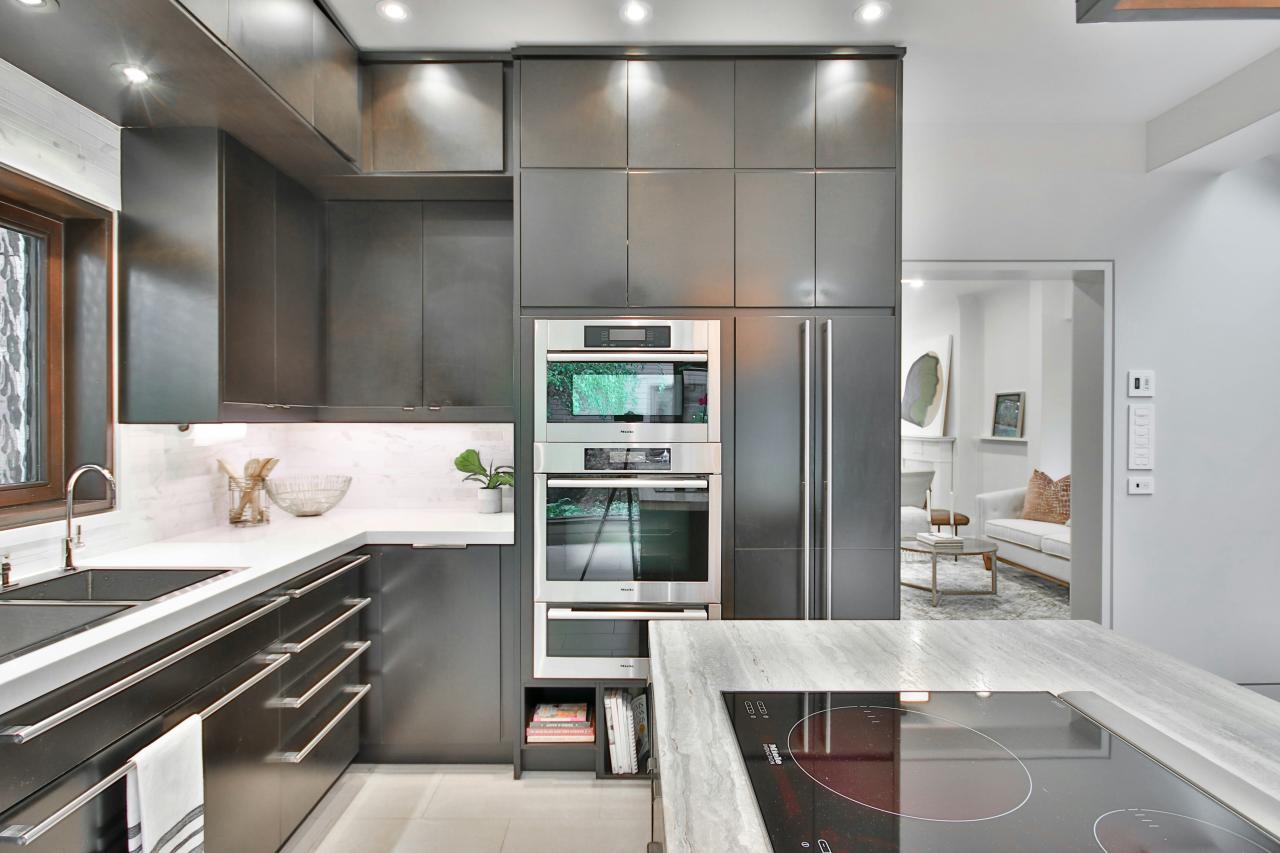
In a luxury loft, the kitchen is often the centerpiece of the open living area, featuring oversized islands and professional appliances. Designers often use stainless steel, matte black cabinetry, and stone countertops to complement the industrial surroundings. These kitchens are built for people who love to cook and entertain on a grand scale.
J. Customizing Lighting for Massive Volumes
Standard residential lighting often gets “lost” in the vast volume of a warehouse loft, requiring a more strategic approach. Large-scale pendant lights, track lighting, and hidden LED strips are used to define different areas of the home. Proper lighting is essential to prevent the space from feeling cold or cavernous during the evening hours.
K. Soundproofing Between Residential Units
Warehouses were never designed for quiet living, so sound migration between neighbors can be a significant issue if not addressed. Heavy-duty acoustic insulation is packed into the ceiling and floor assemblies to ensure that footsteps and music stay within each unit. This creates a peaceful sanctuary even in the heart of a busy, bustling city center.
L. Designing Spa Like Industrial Bathrooms
The bathrooms in these conversions often mix raw materials like slate and copper with ultra-modern glass and porcelain. Freestanding soaking tubs are popular choices to create a luxury hotel feel within the gritty industrial shell. The goal is to provide a high-end retreat that contrasts beautifully with the building’s tough exterior.
M. Managing Modern HVAC Distribution
Heating and cooling a massive open space requires powerful systems and significant ductwork that is often left exposed. Designers turn these silver or black pipes into a visual feature that runs along the ceiling, reinforcing the industrial aesthetic. High-efficiency heat pumps are typically used to keep utility costs manageable for such large volumes.
N. Incorporating Green Building Standards
Many developers are now focusing on making these old structures as energy-efficient as possible to meet sustainability goals. This includes adding thick insulation to the roof and using recycled materials for the interior finishes. Repurposing an old building is already a green choice, but these extra steps make it a truly eco-friendly home.
O. Creating Private Outdoor Balconies
While many warehouses were built flush to the sidewalk, clever architects often “cut into” the building to create recessed balconies. This provides residents with private outdoor space and fresh air without ruining the historic facade of the structure. These balconies often offer stunning views of the surrounding urban skyline.
P. Enhancing Common Areas and Entries
The luxury experience starts at the front door, with many buildings featuring grand lobbies and original freight elevators. These elevators are often restored with modern safety features but keep their vintage metal gates for a touch of class. High-end amenities like rooftop gardens, gyms, and private wine cellars are also common additions.
Q. Addressing Historic Preservation Laws
Converting a protected building often involves working closely with local heritage boards to ensure the exterior remains unchanged. Every modification to the facade, including signage and lighting, must be approved to maintain the neighborhood’s character. This process can be slow, but it ensures the long-term value and historical significance of the property.
R. Selecting Art for Oversized Walls
The vast white or brick walls of a warehouse loft act as a perfect gallery for large-scale contemporary art. Owners can display pieces that would never fit in a standard home, creating a truly personalized and sophisticated environment. This ability to showcase art is one of the primary reasons many collectors choose loft living.
S. Designing for Natural Light Flow
Since windows are often only on the exterior walls, getting light deep into the center of a large loft can be tricky. Architects use glass partitions, light wells, and open staircases to help sunlight travel as far as possible. Mirrors and reflective surfaces are also strategically placed to brighten up darker corners.
T. Building a Sense of Community
Warehouse conversions often attract a specific demographic of creative professionals and entrepreneurs who value unique living spaces. This leads to a strong sense of community within the building, with residents often sharing a passion for design and urban history. Living in a converted warehouse is more than just a home; it is a lifestyle choice.
Conclusion
Repurposing an old industrial warehouse is one of the most rewarding ways to revitalize our modern cities. Historical buildings offer a unique soul and character that brand new construction simply cannot replicate. Owners of these luxury lofts enjoy a lifestyle that perfectly balances historical grit with modern comfort. The architectural freedom provided by massive open spaces allows for truly limitless interior design possibilities.
Preserving these structures ensures that the industrial history of our ancestors is not lost to time. High-end conversions also act as a catalyst for economic growth in previously neglected urban areas. Sustainability is naturally built into the process of recycling a massive structure for residential use. Ultimately, a warehouse loft is a testament to the enduring power of good design and creative vision.

