


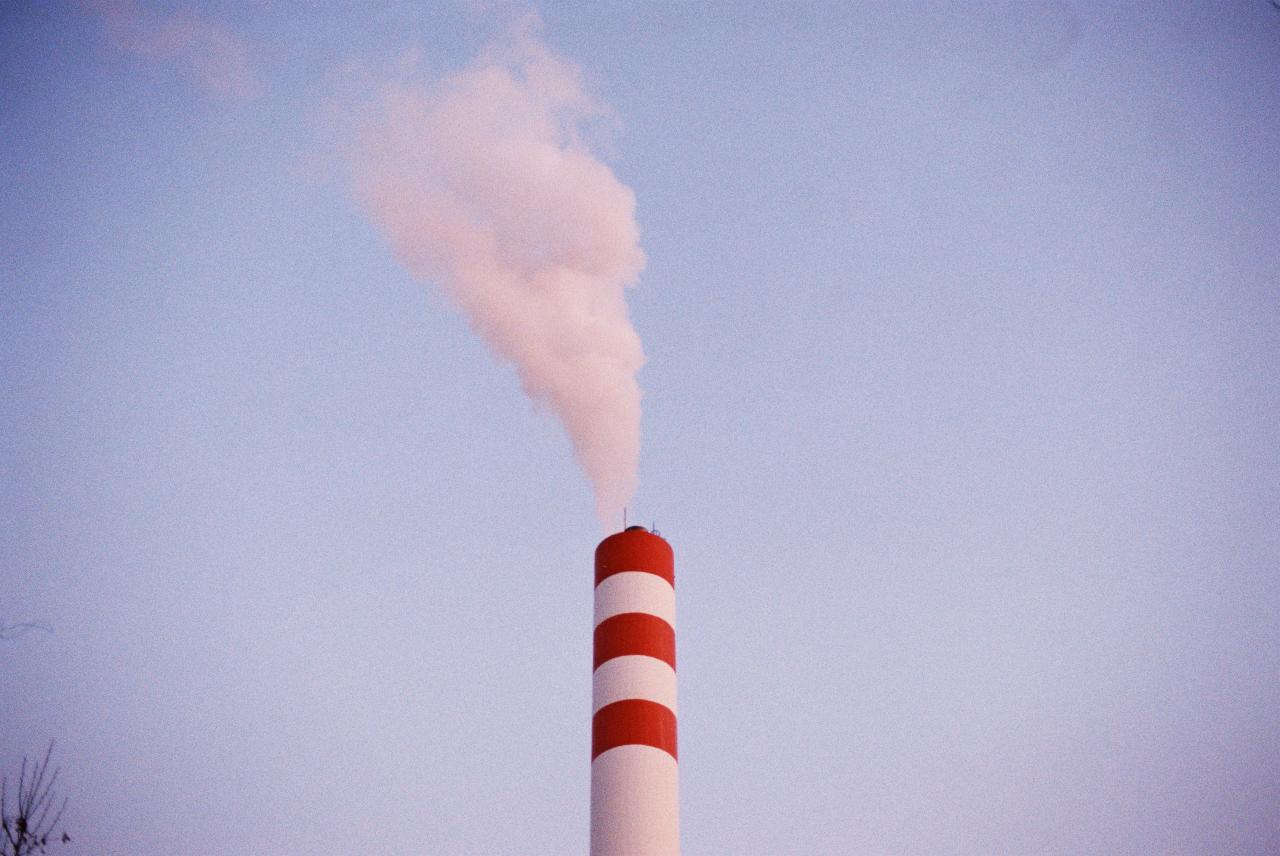
The global architectural and metropolitan investment landscape is currently undergoing a period of profound re-evaluation as the structural foundations of traditional building regimes encounter the disruptive potential of climate urgency and advanced computational material design. This evolution is not a localized phenomenon but a systemic shift that mirrors the great spatial transitions of the past, moving from static, carbon-heavy structures to the responsive, software-defined environments that define the modern high-performance urban experience.
We are currently witnessing an era where the concept of “metropolitan growth” is being decoupled from legacy resource extraction methods, as institutional developers and visionary architects explore the integration of regenerative biophilic systems and digital twins to mitigate the risks associated with rapid utility inflation and environmental degradation. For professional designers and urban planners, the historical trajectory of structural engineering provides the essential context required to navigate the current shift toward a multi-functional habitat system, where the supremacy of isolated residential zones is increasingly challenged by integrated carbon-negative standards and adaptive reuse initiatives.
These strategic transitions utilize sophisticated generative design frameworks to balance aesthetic narrative against the need for atmospheric performance, providing a transparent roadmap for the future of resilient infrastructure and long-term asset preservation. As the global regulatory environment adapts to the presence of stricter energy standards and circular economy mandates, the demand for high-integrity natural materials and smart building automation is reaching a historic peak, creating a massive opportunity for early adopters of next-generation architectural logic.
Furthermore, the application of reality capture and robotic fabrication is providing a level of precision that was previously impossible, effectively reducing the construction waste inherent in traditional onsite assembly and ensuring that development remains aligned with biodiversity goals. Navigating this complex landscape requires a deep understanding of the historical failures of brutalist disconnect, the rigidities of the suburban sprawl, and the emerging theories of neuroarchitecture that are defining the modern era. By securing a position in these high-value design pillars today, organizations can future-proof their portfolios against the inevitable shift in human behavior while playing a decisive role in the stabilization of the global ecosystem.
A. Advanced Mass Timber and Sequestration
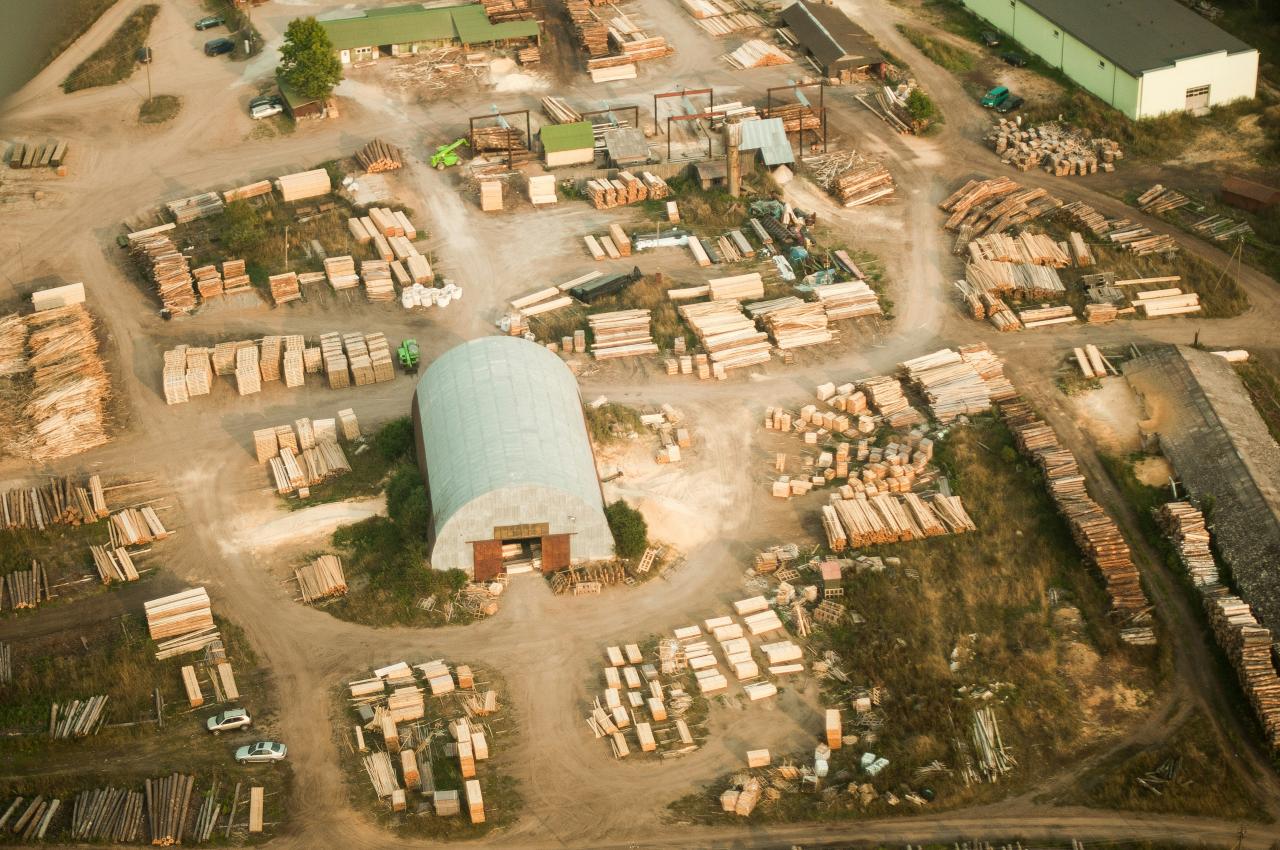
The hallmark of a high-value regenerative project is the transition from carbon-intensive concrete to advanced mass timber frameworks. Professional integrators now prioritize Cross-Laminated Timber and Glulam structures that actively store carbon dioxide absorbed during the tree’s growth cycle.
This biological sequestration turns the building itself into a permanent carbon vault. By utilizing sustainably managed forests, developers can ensure that the structural core of their high-rise projects contributes to a negative carbon footprint.
B. Bio-Based Concrete and Calcination Alternatives
A successful urban project is only as reliable as its foundation, necessitating the use of bio-char infused concrete and carbon-injected aggregates. Integrators prioritize mixtures where the traditional cement binder is replaced or augmented with minerals that absorb atmospheric gases during the curing process.
These high-integrity materials act as a chemical sponge, locking pollutants into a solid mineral state forever. Maintaining this chemical balance is a fundamental pillar of achieving the rigorous certifications required for premium institutional residential assets.
C. Mycelium Insulation and Organic Composites
Institutional developers are moving toward the total incorporation of mycelium-based insulation to ensure superior indoor thermal performance. System integrators utilize these fungal root structures to grow custom-shaped panels that are naturally fire-resistant and highly insulating.
This decentralized material production model provides the building with a level of independence from traditional synthetic petroleum-based foams. By serving as a regenerative barrier, mycelium becomes a strategic contributor to the overall health and safety of the inhabitants.
D. Hempcrete and High-Performance Bio-Aggregates
The move toward atmospheric restoration represents a shift away from porous construction toward a carbon-absorbing hempcrete interior environment. These platforms utilize the woody core of the hemp plant mixed with lime to create walls that continue to calcify and harden over time.
By centralizing the control of moisture and temperature within a breathable bio-aggregate boundary, the industry ensures that internal environments remain perfectly stable. This intelligent orchestration reduces operational costs while preserving the high-quality experience expected by luxury homeowners.
E. Microalgae Facades and Atmospheric Scrubbing
Advanced architectural designs now incorporate bioreactor facades that utilize microalgae to perform active photosynthesis on the building’s exterior. Professional firms specialize in sourcing glass panels that circulate nutrient-rich water to grow algae, which can then be harvested for biofuel or fertilizer.
This transition in facade science allows for a significant reduction in the environmental impact of the operational phase. Securing a supply chain for high-integrity photosynthetic materials is a critical differentiator for developers targeting the green metropolitan market.
F. Recycled Steel and Electric Arc Production
Modern cities are moving toward a zero-waste model through the application of circular steel procurement and electric arc furnace processing. Integrators utilize high-grade scrap metal to reduce the reliance on virgin iron ore mining and traditional coal-fired blast furnaces.
This circular approach prevents the waste of industrial energy while protecting the long-term structural value of the investment. By treating the city as a “material bank,” developers protect the residual value of their capital assets through automated preservation.
G. Carbon-Capturing Bricks and Mineralization
High-end metropolitan developments now include integrated masonry units that utilize captured industrial emissions during the manufacturing process. Integrators install bricks that have undergone accelerated mineralization, turning waste gas into solid calcium carbonate.
These conservation measures reduce the strain on industrial zones while ensuring the building remains a physical testament to carbon removal. Atmospheric mineralization is becoming a mandatory requirement for securing long-term institutional capital in many global luxury markets.
H. Bamboo Scaffolding and Structural Bamboo
The ultimate luxury in bio-based development is a design that respects the rapid growth cycles of structural bamboo for both temporary and permanent loads. Professional designers specialize in engineered bamboo laminates that offer a higher strength-to-weight ratio than many traditional hardwoods.
Hidden joinery and integrated protective coatings ensure that the organic aesthetic remains pristine and durable. This focus on rapid regeneration is a key differentiator for brands seeking to foster a high-performing and healthy residential community.
I. Life Cycle Assessment and Digital Ledger Tracking
Institutional firms are exploring the integration of real-time carbon tracking to document the building’s performance against global climate targets. System integrators utilize digital ledgers to provide verifiable proof of the structure’s carbon-negative status to auditors and prospective buyers.
This transparent reporting framework is essential for moving sustainable assets from the niche phase into full-scale institutional production. By documenting every ton of sequestered carbon, developers can unlock preferential tax treatments and superior insurance rates for their clients.
J. Holistic Urban Microgrids and Energy Autonomy
Modern carbon-negative projects often serve as local energy hubs, featuring on-site solar generation and high-capacity battery storage integrated into the regenerative structure. Integrators handle the complex energy distribution required to share surplus power with the local community or the national grid.
This decentralized energy model provides the occupant with total independence from traditional utility price fluctuations. Energy-autonomous architecture is the essential foundation for a more stable and resilient global power network.
Conclusion

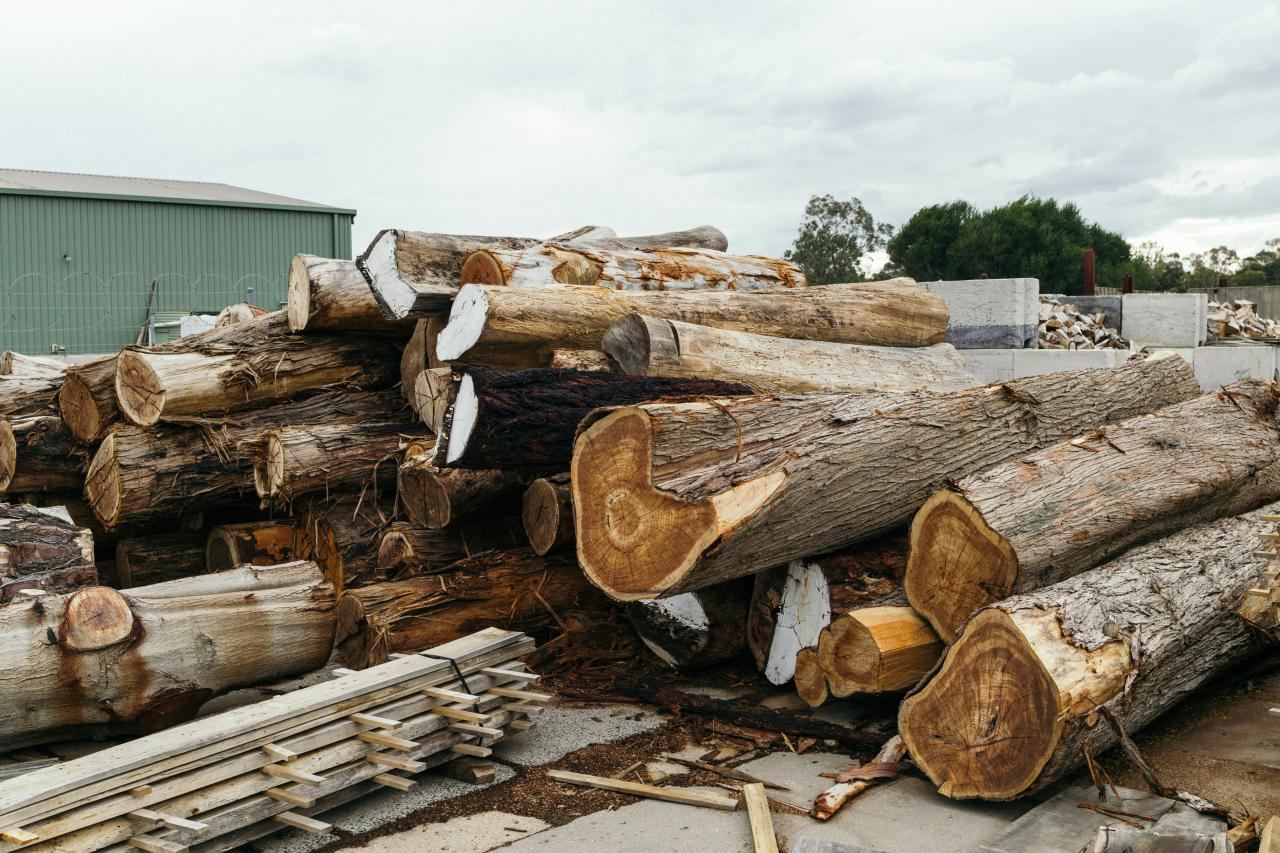
Future architectural value is determined by the synergy of carbon sequestration and intelligence. Selecting the right regenerative material is the most critical step in design. A unified digital twin provides the seamless experience required for asset management. Enterprise grade infrastructure is the essential foundation for any resilient building. Human centric design directly improves the productivity and well-being of occupants.
Systems must be proactive and multi-layered to protect all metropolitan participants. Invisible technology preserves the aesthetic and professional integrity of the space. Future-proofing through modular layouts protects the long-term value of the estate. Professional certification ensures the highest standards of technical and ethical performance. The future of global architecture is defined by the successful evolution of trust.

