


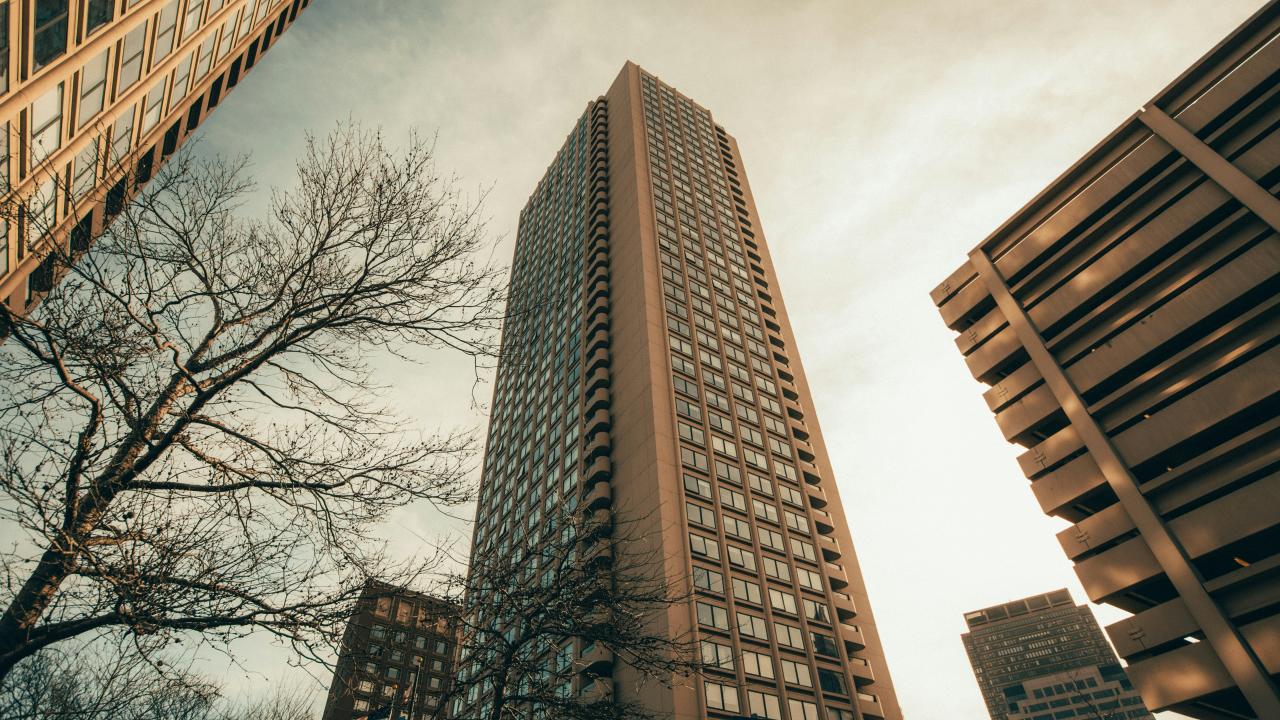
The global architectural and real estate investment landscape is currently undergoing a period of profound re-evaluation as the structural foundations of traditional concrete and steel regimes encounter the disruptive potential of climate urgency and advanced computational timber design. This evolution is not a localized phenomenon but a systemic shift that mirrors the great spatial transitions of the past, moving from static, carbon-heavy structures to the responsive, software-defined environments that define the modern built experience.
We are currently witnessing an era where the concept of “vertical density” is being decoupled from legacy construction methods, as institutional developers and visionary architects explore the integration of cross-laminated timber (CLT) and digital twins to mitigate the risks associated with rapid urbanization and environmental degradation. For professional designers and urban planners, the historical trajectory of structural engineering provides the essential context required to navigate the current shift toward a multi-functional habitat system, where the supremacy of isolated residential or commercial zones is increasingly challenged by integrated mass timber high-rises and adaptive reuse initiatives.
These strategic transitions utilize sophisticated generative design frameworks to balance aesthetic narrative against the need for net-zero performance, providing a transparent roadmap for the future of resilient infrastructure and long-term asset preservation. As the global regulatory environment adapts to the presence of stricter energy standards and circular economy mandates, the demand for high-integrity natural materials and smart building automation is reaching a historic peak, creating a massive opportunity for early adopters of next-generation architectural logic.
Furthermore, the application of reality capture and robotic fabrication is providing a level of precision that was previously impossible, effectively reducing the construction waste inherent in traditional onsite assembly and ensuring that development remains aligned with biodiversity goals. Navigating this complex landscape requires a deep understanding of the historical failures of brutalist disconnect, the rigidities of the suburban sprawl, and the emerging theories of neuroarchitecture that are defining the modern era. By securing a position in these high-value design pillars today, organizations can future-proof their portfolios against the inevitable shift in human behavior while playing a decisive role in the stabilization of the global ecosystem.
A. Accelerated Construction Timelines and Revenue Realization
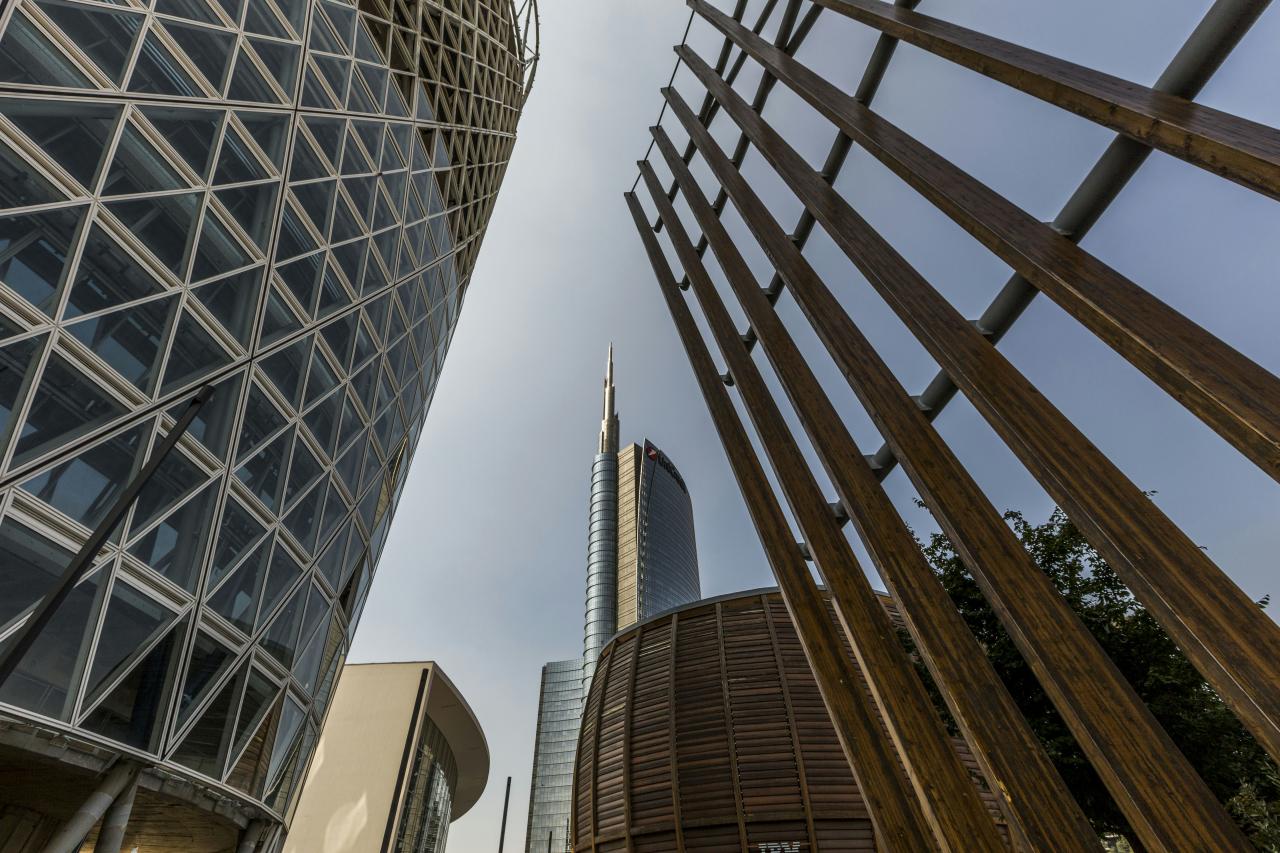
The hallmark of mass timber investment is the transition from labor-intensive onsite pouring to high-speed modular assembly. Professional integrators now prioritize prefabricated cross-laminated timber panels that arrive at the site ready for immediate installation with surgical precision.
This industrialized approach allows high-rise projects to reach completion significantly faster than traditional concrete structures. By reducing the construction schedule, developers can begin generating rental income or sales revenue months ahead of the competition.
B. Superior Environmental and ESG Performance
A successful sustainable project is only as reliable as the carbon sequestration of its materials, necessitating the use of certified structural timber. Integrators prioritize wood sourced from regenerative forests that act as a permanent carbon sink throughout the building’s lifecycle.
These green credentials allow developers to unlock premium financing and satisfy increasingly strict governmental environmental mandates. By embedding sustainability into the core of the project, the industry ensures that the asset remains valuable in a climate-conscious market.
C. Enhanced Biophilic Value and Premium Rents
Institutional investors are moving toward the total incorporation of biophilic design to enhance the mental well-being of building occupants. System integrators utilize the natural warmth and aesthetic of exposed wood to create spaces that command higher lease rates compared to sterile drywall environments.
Visible timber grains and natural scents contribute to a reduction in tenant stress and an increase in overall productivity. This human-centric approach transforms the high-rise from a simple structure into a high-performing wellness asset.
D. Precision Engineering and Reduced Foundation Costs
The move toward wood represents a shift away from heavy materials toward a high strength-to-weight ratio alternative. Mass timber high-rises are significantly lighter than their concrete counterparts, allowing for less invasive and more cost-effective foundation systems.
By reducing the structural load, developers can build taller on sites with challenging soil conditions or over existing underground infrastructure. This technical advantage allows for the maximization of vertical air rights in dense urban cores.
E. Fire Safety and Thermal Integrity
Advanced mass timber designs utilize the predictable charring rates of heavy wood to provide exceptional fire resistance. Professional firms specialize in engineered connections that ensure the structural integrity of the high-rise remains intact even during extreme thermal events.
The natural insulating properties of wood also contribute to a high-performance building envelope. This strategic alignment ensures that the structure maintains a comfortable baseline environment with lower energy costs for heating and cooling.
F. Circular Economy and Material Bank Potential
Modern high-rises are moving toward a zero-waste model through the application of modular logic and reversible connections. Integrators utilize digital twins to track the lifecycle of every timber panel, ensuring that the building can be disassembled and the materials repurposed at the end of its life.
This circular approach prevents valuable resources from ending up in landfills while protecting the long-term salvage value of the investment. By treating the building as a “material bank,” developers protect the residual value of their capital assets.
G. Seismic Resilience and Structural Ductility
High-end developments in active seismic zones now prioritize the natural flexibility and ductility of mass timber systems. Integrators install precision-engineered “rocking wall” systems and dampers that allow the high-rise to absorb and dissipate energy during an earthquake.
These resilience features protect the physical integrity of the asset from catastrophic environmental shocks. Investing in timber-ready architecture is now a strategic requirement for securing long-term institutional capital in vulnerable geographic regions.
H. Smart Building Automation and Digital Twins
The ultimate luxury in vertical development is a building that monitors its own health through integrated IoT sensors. Professional integrators install digital twins that provide real-time data on the moisture content and structural stress of the timber frame.
Hidden sensors and integrated data networks prevent the need for intrusive manual inspections. This focus on “proactive maintenance” is a key differentiator for brands seeking to provide the highest safety standards to their institutional tenants.
I. Market Differentiation and Brand Equity
Institutional firms are exploring the integration of signature timber architecture to define their corporate identity. System integrators work closely with lead designers to create iconic silhouettes that stand out in crowded metropolitan skylines.
This visual narrative of innovation and sustainability attracts high-profile tenants who want their physical office space to reflect their own ESG values. Establishing a “timber-first” reputation allows developers to dominate the emerging sustainable luxury sector.
J. Holistic Energy Independence and Microgrids
Modern mass timber projects often serve as local energy hubs, featuring on-site solar generation and high-capacity battery storage integrated into the structure. Integrators handle the complex energy distribution required to share surplus power with the local community or the national grid.
This decentralized energy model provides the building with total independence from traditional utility price fluctuations. Energy-autonomous architecture is the essential foundation for a more stable and resilient global power network.
Conclusion
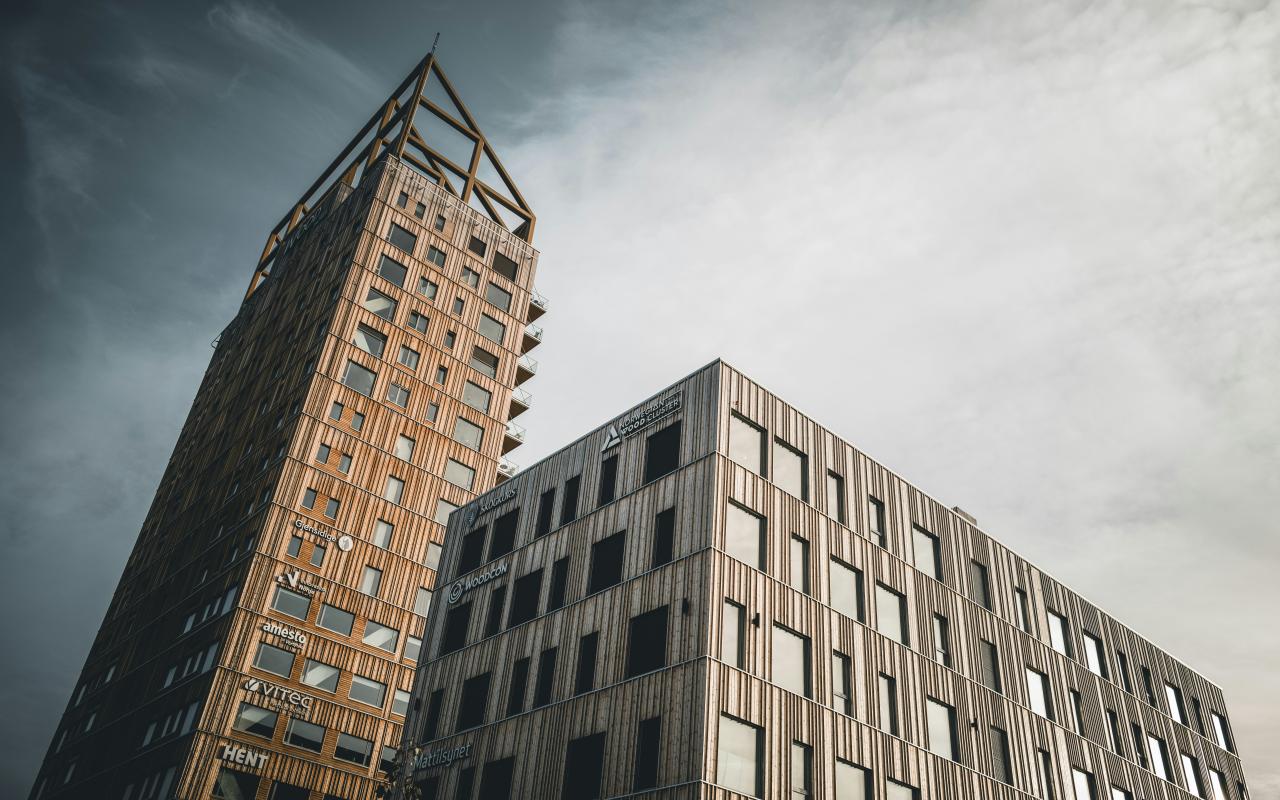
Future architectural value is determined by the synergy of sustainability and intelligence. Selecting the right mass timber system is the most critical step in design. A unified digital twin provides the seamless experience required for asset management. Enterprise grade infrastructure is the essential foundation for any resilient building. Human centric design directly improves the productivity and well-being of occupants.
Systems must be proactive and multi-layered to protect all urban participants. Invisible technology preserves the aesthetic and professional integrity of the space. Future-proofing through modular layouts protects the long-term value of the estate. Professional certification ensures the highest standards of technical and ethical performance. The future of global architecture is defined by the successful evolution of trust.

