


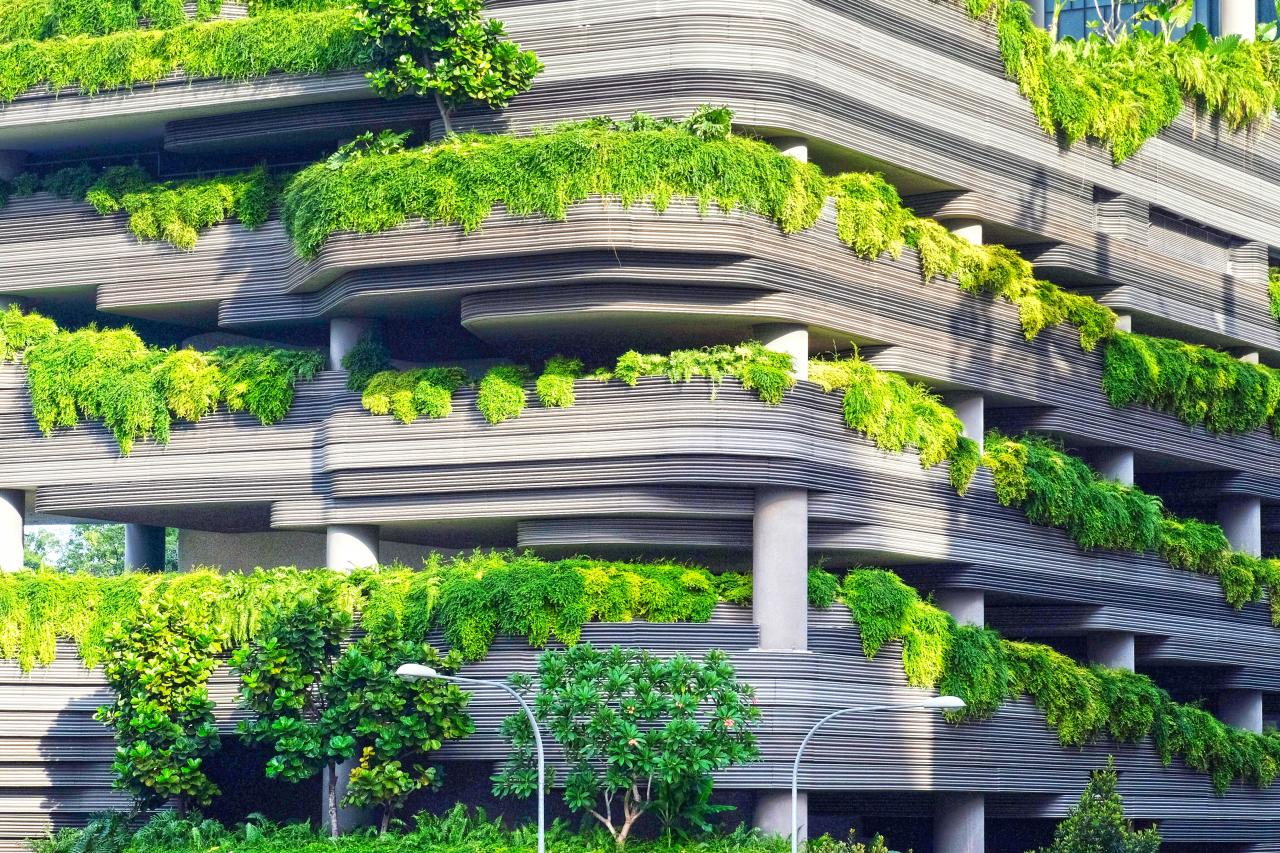
The global architectural and construction landscape is currently undergoing a period of profound re-evaluation as the structural foundations of traditional building regimes encounter the disruptive potential of climate urgency and advanced computational design. This evolution is not a localized phenomenon but a systemic shift that mirrors the great spatial transitions of the past, moving from static, carbon-heavy structures to the responsive, software-defined environments that define the modern built experience.
We are currently witnessing an era where the concept of “shelter” is being decoupled from legacy construction methods, as institutional developers and visionary architects explore the integration of regenerative biophilic systems and digital twins to mitigate the risks associated with rapid urbanization and environmental degradation. For professional designers and urban planners, the historical trajectory of structural engineering provides the essential context required to navigate the current shift toward a multi-functional habitat system, where the supremacy of isolated residential or commercial zones is increasingly challenged by integrated 15-minute cities and adaptive reuse initiatives.
These strategic transitions utilize sophisticated generative design frameworks to balance aesthetic narrative against the need for performance, providing a transparent roadmap for the future of resilient infrastructure and long-term asset preservation. As the global regulatory environment adapts to the presence of stricter energy standards and circular economy mandates, the demand for high-integrity natural materials and smart building automation is reaching a historic peak, creating a massive opportunity for early adopters of next-generation architectural logic.
Furthermore, the application of reality capture and robotic fabrication is providing a level of precision that was previously impossible, effectively reducing the construction waste inherent in traditional onsite assembly and ensuring that development remains aligned with biodiversity goals. Navigating this complex landscape requires a deep understanding of the historical failures of brutalist disconnect, the rigidities of the suburban sprawl, and the emerging theories of neuroarchitecture that are defining the modern era. By securing a position in these high-value design pillars today, organizations can future-proof their portfolios against the inevitable shift in human behavior while playing a decisive role in the stabilization of the global ecosystem.
A. Integrated Passive Design Frameworks

The hallmark of a high-value development is the transition from mechanical dependency to integrated passive design frameworks. Professional integrators now prioritize building orientations and high-performance envelopes that utilize natural thermal mass to regulate internal temperatures.
B. High Performance Building Envelopes
A successful sustainable project is only as reliable as the airtightness of its envelope, necessitating the use of advanced triple-glazing and thermal bridge interruption. Integrators prioritize continuous insulation layers that prevent the escape of conditioned air and the ingress of moisture.
These high-integrity barriers protect the internal structural elements from environmental degradation while providing a stable foundation for interior climate control. Maintaining a hermetic seal is a fundamental pillar of achieving the rigorous certifications required for premium institutional assets.
C. Renewable Energy Generation Infrastructure
Institutional developers are moving toward the total incorporation of on-site renewable energy generation through building-integrated photovoltaics (BIPV). System integrators utilize every available surface, including windows and facades, to convert solar radiation into usable electrical power.
This decentralized energy model provides the building with a level of independence from traditional utility price fluctuations. By serving as a local power plant, the asset becomes a strategic contributor to the regional microgrid during peak demand periods.
D. Smart Energy Management Systems
The move toward intelligence represents a shift away from static thermostats toward autonomous energy management systems (EMS). These platforms utilize sensor networks to identify occupancy patterns and adjust lighting or cooling in real-time.
By centralizing control within an AI-driven dashboard, the industry ensures that energy consumption remains perfectly aligned with actual usage. This intelligent orchestration reduces operational costs while preserving the high-quality experience expected by corporate tenants.
E. Low Carbon Material Procurement
Advanced architectural designs now incorporate mass timber, low-carbon concrete, and recycled steel to address the challenge of embodied carbon. Professional firms specialize in sourcing bio-based materials that serve as carbon sinks throughout the lifecycle of the structure.
This transition in material science allows for a significant reduction in the environmental impact of the initial construction phase. Securing a supply chain for high-integrity sustainable materials is a critical differentiator for developers targeting the green bond market.
F. Circular Economy and Waste Reduction
Modern construction sites are moving toward a zero-waste model through the application of modular fabrication and off-site assembly. Integrators utilize digital twins to track the lifecycle of every component, ensuring that parts can be easily recovered or repurposed at the end of their functional life.
This circular approach prevents valuable resources from ending up in landfills while reducing the logistical friction of urban development. By treating the building as a “material bank,” developers protect the long-term salvage value of the investment.
G. Water Conservation and Greywater Recycling
High-end developments now include integrated water recovery systems that capture rainwater and treat greywater for non-potable uses. Integrators install low-flow fixtures and smart irrigation systems that automatically adjust based on localized weather forecasts.
These conservation measures reduce the strain on municipal infrastructure while ensuring the building remains functional during drought conditions. Water autonomy is becoming a mandatory requirement for securing long-term institutional capital in many global markets.
H. Biophilic Design and Indoor Wellness
The ultimate luxury in sustainable development is a design that respects the biological needs of the human occupant. Professional designers specialize in living walls and natural light corridors that improve cognitive function and reduce stress for residents and workers.
Hidden acoustic panels and integrated air filtration systems ensure that the internal atmosphere remains pristine and quiet. This focus on sensory harmony is a key differentiator for brands seeking to foster a high-performing and healthy community.
I. Life Cycle Assessment and Carbon Tracking
Institutional firms are exploring the integration of real-time carbon tracking to document the building’s performance against global climate targets. System integrators utilize blockchain-based ledgers to provide verifiable proof of the structure’s environmental claims to auditors and investors.
This transparent reporting framework is essential for moving sustainable assets from the niche phase into full-scale institutional production. By documenting every kilogram of carbon saved, developers can unlock preferential tax treatments and insurance rates.
J. Holistic Urban Microgrid Integration
Modern sustainable projects often serve as local energy hubs, sharing surplus power with the surrounding community through smart microgrids. Integrators handle the complex synchronization required to balance the local load with the fluctuations of renewable generation.
This collaborative energy model provides a level of systemic resilience that was previously impossible with isolated utility connections. Future-proofing through microgrid readiness protects the long-term value of the development in a rapidly evolving energy landscape.
Conclusion
Future architectural value is determined by the synergy of sustainability and intelligence. Selecting the right regenerative material is the most critical step in design. A unified digital twin provides the seamless experience required for asset management. Enterprise grade infrastructure is the essential foundation for any resilient building. Human centric design directly improves the productivity and well-being of occupants.
Systems must be proactive and multi-layered to protect all urban participants. Invisible technology preserves the aesthetic and professional integrity of the space. Future-proofing through modular layouts protects the long-term value of the estate. Professional certification ensures the highest standards of technical and ethical performance. The future of global architecture is defined by the successful evolution of trust.

