


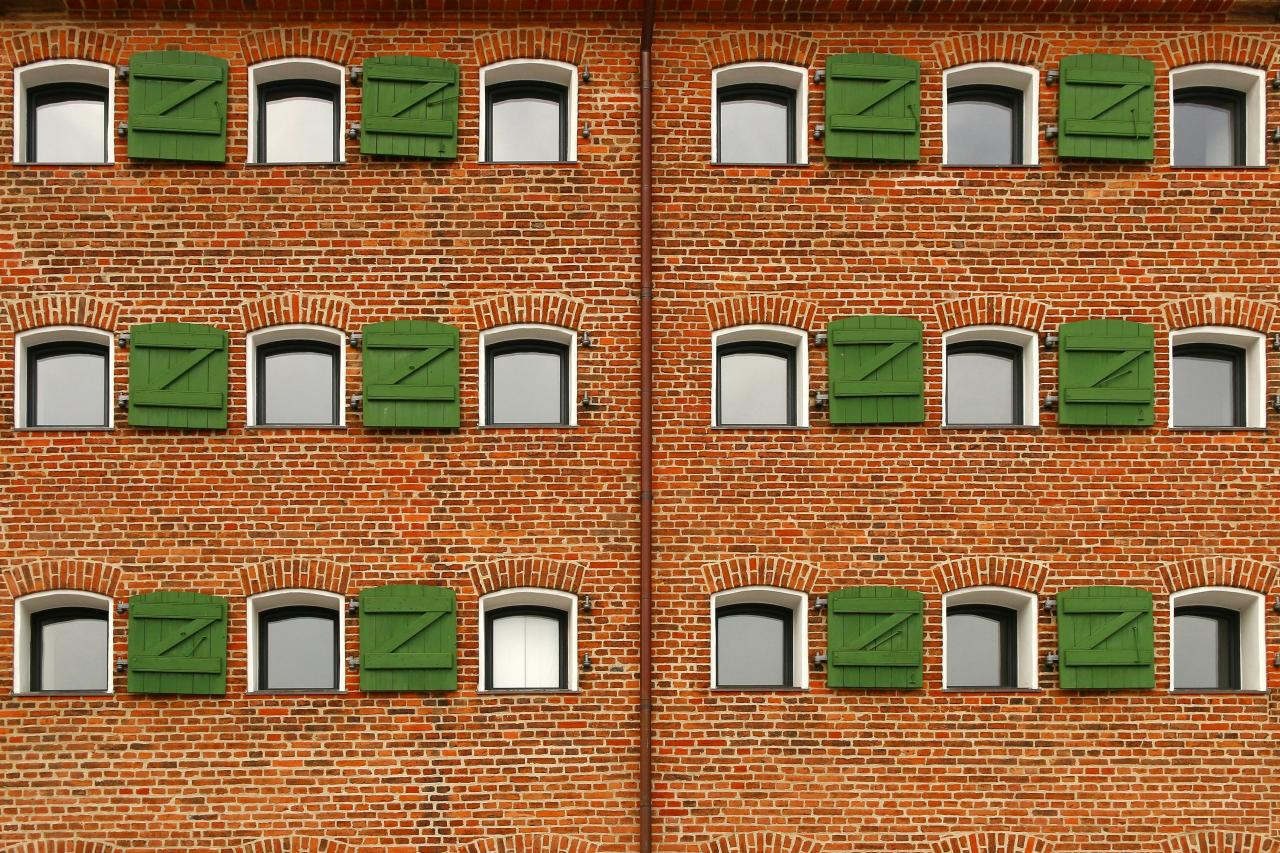
The delicate intersection between honoring the architectural heritage of our past and adhering to the rigorous safety standards of the present is one of the most complex challenges in modern urban development. For developers and architects, the process of restoring a centuries-old structure involves a deep philosophical commitment to maintaining the soul of a building while ensuring it can withstand the physical pressures of contemporary usage. Historic preservation is not merely about aesthetic restoration; it is an act of cultural stewardship that requires a sophisticated understanding of both ancient craftsmanship and high-tech engineering solutions.
As urban centers become more densely populated, the pressure to modernize these aging landmarks increases, leading to a sophisticated dance between the preservation of original materials and the integration of life-saving infrastructure. This transition often involves navigating a labyrinth of local zoning laws, national heritage guidelines, and the ever-evolving mandates of universal building codes designed for brand-new constructions. Successfully bridging this gap requires a proactive approach to problem-solving where every structural intervention is weighed against its impact on the building’s historical integrity and long-term sustainability.
It is a field that demands constant innovation, as researchers develop new, non-invasive methods to strengthen ancient foundations and fireproof timber frames without altering their visual character. By choosing to preserve instead of demolish, we are investing in a more resilient and meaningful built environment that tells the story of our collective progress through the decades. Ultimately, the successful alignment of history and safety represents a pinnacle of architectural achievement, proving that we do not have to sacrifice our heritage to ensure a secure and functional future for everyone.
A. Advanced Structural Reinforcement Techniques

Modern building codes often require existing structures to meet strict seismic and load-bearing standards that were unknown when historic landmarks were first constructed. To achieve this, engineers frequently employ carbon fiber wrapping or discreet steel bracing that provides immense strength without adding significant bulk or weight. These interventions are hidden behind original plasterwork or integrated into the floor assemblies to maintain the visual continuity of the space.
B. Fire Safety And Life Protection Systems
Ensuring that an old building meets current fire codes is perhaps the most difficult aspect of any preservation project. This involves the installation of high-concealment sprinkler systems and the application of intumescent coatings to original wood beams that provide critical fire resistance. Architects also design pressurized stairwells and smoke evacuation routes that fit within the existing footprint of the building to avoid altering the historic facade.
C. Universal Accessibility And ADA Compliance
Bringing a historic property into compliance with accessibility standards requires creative solutions for ramps, elevators, and wide doorways. Many developers utilize “limited use” elevators that can be tucked into old service shafts or closets to provide floor-to-floor access without damaging structural integrity. When a permanent ramp is not feasible at the main entrance, high-end automated lifts are often integrated into the landscaping to maintain a dignified and inclusive entry for all visitors.
D. Energy Efficiency And Thermal Performance
Most historic buildings were constructed long before the advent of modern insulation or high-performance glazing. To meet modern energy codes, preservationists often use spray-applied vapor-permeable insulation and custom-made storm windows that sit inside the original frames. This significantly reduces heat loss and lowers operational costs while protecting the original hand-blown glass and delicate wood muntins from environmental stress.
E. Modern Mechanical And Electrical Integration
The massive energy requirements of contemporary offices and luxury residences demand a total overhaul of original electrical and plumbing systems. Engineers use 3D laser scanning to map out hidden voids within the thick masonry walls, allowing them to route high-capacity wiring and HVAC ductwork without visible conduits. This “surgical” approach to installation ensures that the building functions as a modern high-performance asset while appearing untouched by time.
F. Moisture Management And Building Science
One of the most common causes of failure in historic retrofits is the improper management of moisture vapor within the wall assembly. Using modern building science, experts select breathable materials that allow old masonry to dry out naturally, preventing the growth of mold and the decay of structural timbers. This requires a departure from standard new-construction practices and a return to traditional lime-based mortars and mineral paints.
G. Hazardous Material Abatement Protocols
Almost every historic structure contains materials that are now known to be hazardous, such as lead-based paint or asbestos insulation. Professionals follow strict abatement protocols to remove these substances while ensuring that the process does not damage the underlying historic substrate. This often involves specialized vacuum-shrouded tools and chemical strippers that are gentle on the building but effective at neutralizing modern health risks.
H. Seismic Retrofitting For Masonry Structures
In areas prone to earthquakes, unreinforced masonry poses a significant danger to occupants and the public. Retrofitting involves drilling deep into the original walls to insert steel tension rods or “stitching” the masonry units together with high-strength resin anchors. These techniques bind the building into a single cohesive unit that can sway safely during a seismic event rather than collapsing inward.
I. Acoustic Privacy And Sound Insulation
Old warehouses and mansions often have thin floors and resonant cavities that allow sound to travel easily between units. To meet modern residential privacy codes, developers install acoustic mats and mass-loaded vinyl layers beneath original hardwood floors. This creates a quiet, sanctuary-like environment that matches the expectations of high-end tenants without sacrificing the building’s industrial or classical aesthetic.
J. Smart Building Technology And Automation
Integrating the Internet of Things into a historic shell allows for the automated monitoring of environmental conditions and security. These systems use wireless sensors to track humidity and temperature, alerting facility managers to potential leaks or HVAC failures before they cause damage to sensitive artifacts. Smart lighting also highlights architectural details while reducing energy consumption through motion-based dimming.
K. Roof Restoration And Stormwater Management
Modern codes require roofs to handle specific snow loads and manage massive amounts of rainwater runoff. Historic roofs are often reinforced with hidden timber trusses and equipped with high-capacity copper gutters and downspouts that match the original period style. Sustainable drainage systems are also integrated into the site plan to prevent the building’s ancient foundation from being undermined by modern urban runoff.
L. Custom Glazing And Impact Resistance
In regions prone to hurricanes or high winds, original windows are often a major point of vulnerability. Preservationists use laminated glass that is virtually indistinguishable from antique glass but possesses the strength to withstand high-velocity impacts. This allows the building to meet the strictest coastal safety codes while retaining its elegant and fragile-looking exterior.
M. Sustainable Material Sourcing For Repairs
When original materials are too damaged to save, finding authentic replacements is essential for maintaining the building’s pedigree. This involves sourcing stone from the same quarries used a century ago or salvaging timber from other historic structures. Using authentic materials ensures that the repair ages at the same rate as the rest of the building, preventing unsightly patches or structural imbalances.
N. Environmental Impact And Carbon Sequestration
Preserving an existing building is one of the most sustainable things a developer can do. By avoiding the carbon-intensive process of manufacturing new concrete and steel, these projects keep massive amounts of “embodied carbon” out of the atmosphere. Historic preservation is increasingly recognized as a vital component of any city’s long-term climate action plan.
O. Historical Documentation and Research
Every successful restoration begins with an exhaustive search of archives and original blueprints. This research informs every decision made by the design team, ensuring that even modern upgrades are done in a way that respects the original intent of the architect. Documenting the process also adds to the building’s story, increasing its market value as a unique piece of cultural history.
P. Innovative Egress Solutions
Many old buildings have narrow corridors and winding staircases that do not meet modern width requirements for emergency exits. Designers solve this by adding external glass-enclosed stair towers or repurposing internal light wells for secondary egress. These additions are designed to be “differentiated but compatible,” clearly marking them as modern additions that do not pretend to be original.
Q. Lighting for Preservation and Safety
The transition to LED lighting allows for the illumination of historic spaces with much lower heat output and zero UV radiation. This protects delicate fabrics and wall coverings while providing the high lumens required for public safety and workplace productivity. Indirect lighting techniques are used to wash original textures in light without the need for intrusive ceiling-mounted fixtures.
R. Floor Load Capacity Enhancement
Converting a former light industrial warehouse into a modern office with heavy servers and filing systems requires reinforcing the floor joists. Engineers often add “sister” beams alongside the originals or install high-strength plywood diaphragms to distribute weight more evenly. This allows the building to handle modern loads while keeping the beautiful original ceiling heights visible.
S. Advanced Waterproofing for Basements
Historic foundations were rarely waterproofed to modern standards, leading to damp and unusable basement levels. Modern techniques like crystalline waterproofing and interior perimeter drains allow these subterranean spaces to be converted into high-end gyms, wine cellars, or parking garages. Keeping these areas dry is also essential for protecting the structural integrity of the entire masonry assembly.
T. Strategic Project Management and Zoning
Navigating the various layers of approval for a historic project requires a specialized project manager who understands both the construction and heritage worlds. They work with city officials to find “equivalencies” in the building code—alternate ways of achieving safety goals that do not require destroying historic features. This collaborative process is key to getting these complex and expensive projects over the finish line.
Conclusion
Preserving our historic buildings is a vital task for any society that values its cultural and architectural identity. Modern safety codes provide a necessary framework to ensure that these landmarks remain functional and secure for everyone. Successfully merging the old with the new requires a commitment to both innovation and traditional craftsmanship.
Every successful restoration proves that we can respect our past while still embracing the technology of the future. The economic and environmental benefits of historic preservation far outweigh the costs of initial investment. A restored landmark acts as a cornerstone for neighborhood revitalization and community pride across the globe. We must continue to develop new building sciences that protect our heritage without compromising on modern standards. Architecture is a living dialogue between the generations who built our cities and those who inhabit them today.

