


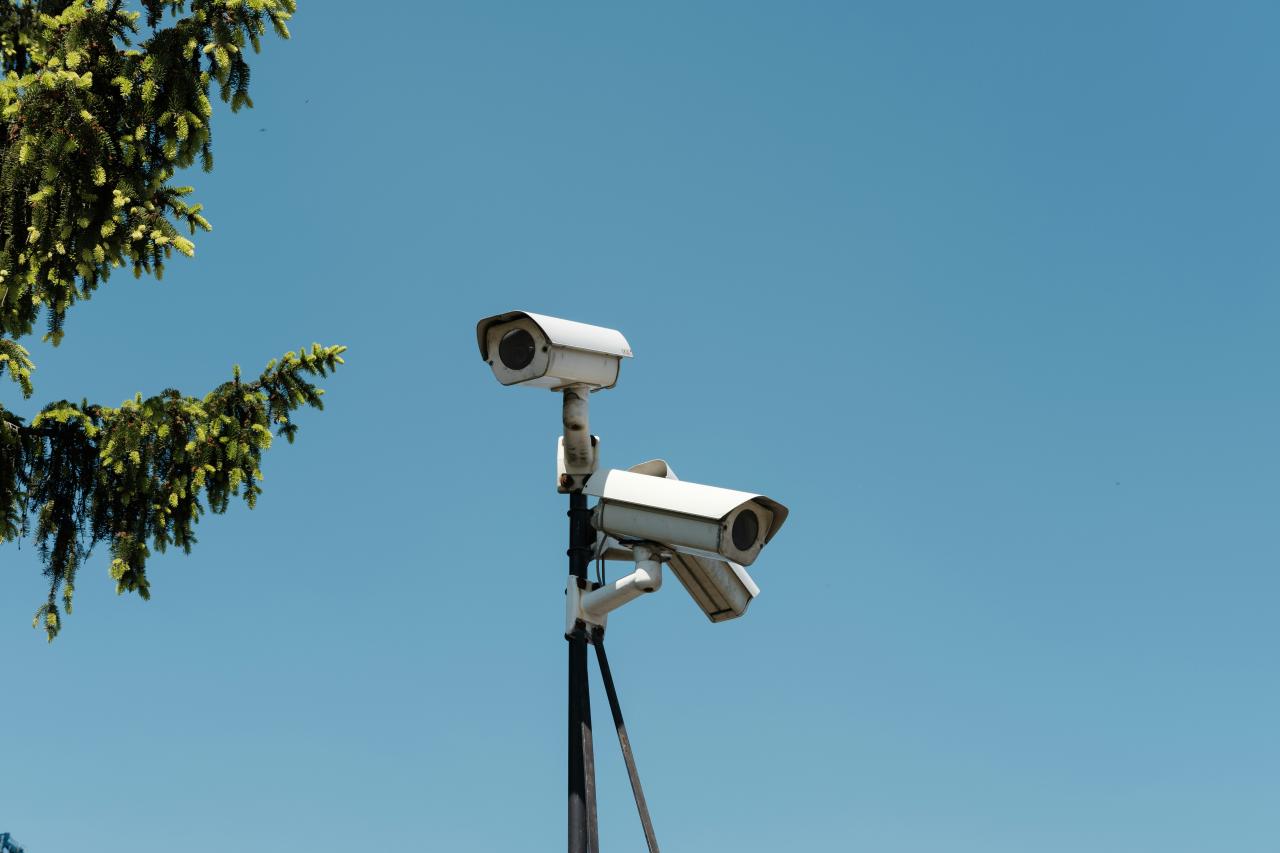
The rapid evolution of urban environments necessitates a sophisticated approach to monitoring and protecting the citizens who move through these communal areas every single day of the week. Traditional surveillance methods are no longer sufficient to address the complex challenges posed by modern density and the unpredictable nature of human interaction in large metropolitan hubs. By integrating advanced sensing technology into the very fabric of our streets and buildings, we can create a responsive ecosystem that anticipates potential hazards before they escalate into serious emergencies.
This digital transformation allows for a level of situational awareness that was previously impossible, providing authorities with a constant stream of high-fidelity data regarding environmental conditions and crowd dynamics. Implementing these systems requires a deep understanding of both the hardware capabilities and the strategic goals of the community to ensure a perfect alignment of safety and privacy.
As these tools become more ubiquitous, they foster a new era of urban resilience where the infrastructure itself acts as a silent guardian for every individual. Furthermore, the ethical implications of data collection must be balanced with the life-saving potential of real-time intervention, creating a philosophy of protection that is grounded in transparency and operational excellence. Ultimately, the successful deployment of these sensors will define the most livable cities of the future, separating those who embrace innovation from those who remain tethered to outdated and reactive security models.
A. Acoustic Threat Detection Systems
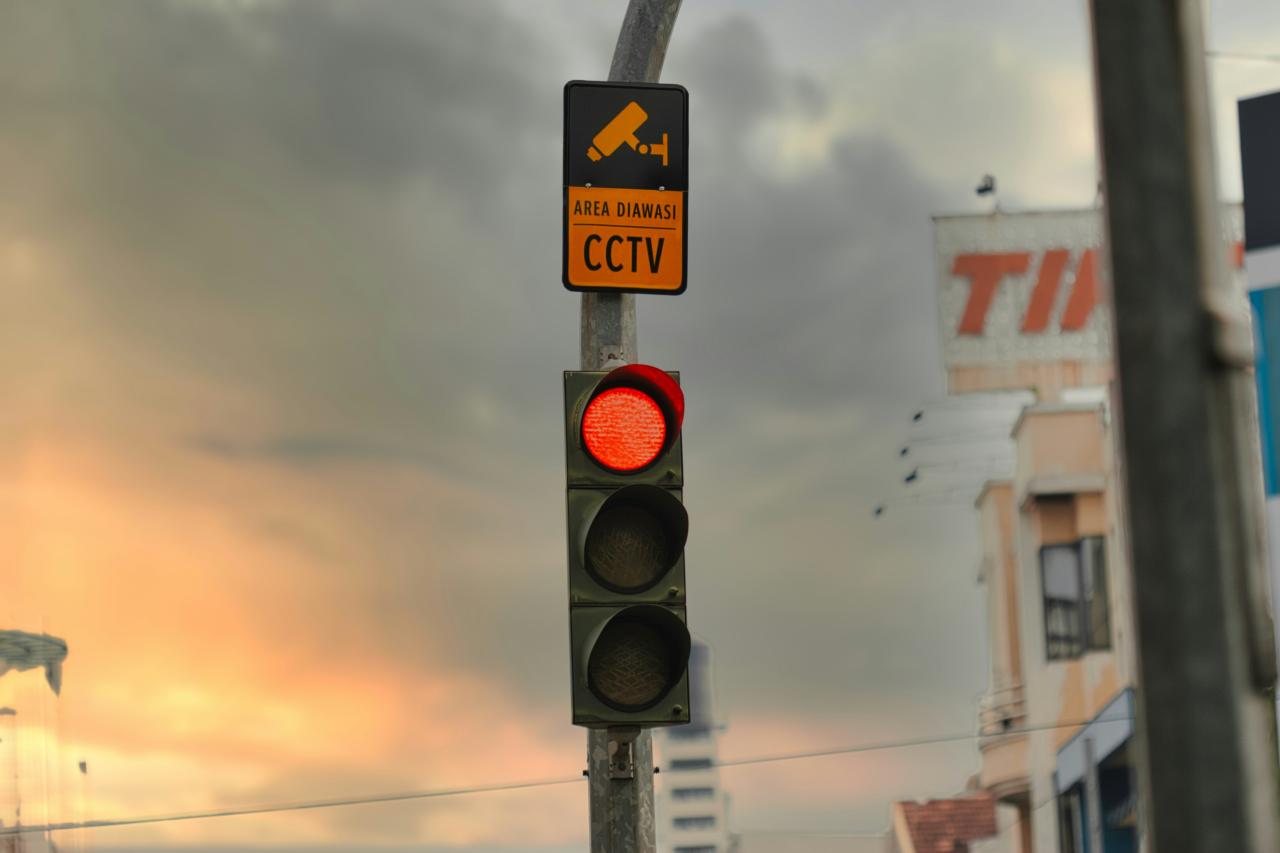
Modern sensors can now identify the specific sound of glass breaking or high-decibel disturbances in a crowded park. These devices immediately alert local response teams to the exact coordinates of the incident without requiring a manual phone call. This speed of notification is crucial for minimizing response times during critical minutes.
B. Atmospheric Quality Monitoring Nodes
Sensors placed in public squares can detect invisible gas leaks or dangerous levels of chemical pollutants in the air. These nodes provide real-time updates to health officials to prevent mass exposure to toxic substances. They are essential for maintaining the long-term well-being of urban populations.
C. Intelligent Crowd Density Analysis
By using infrared and motion sensors, city planners can monitor how many people are gathering in a specific plaza. This helps prevent dangerous overcrowding during festivals or protests by triggering automated alerts to reroute pedestrian traffic. It ensures that exits remain clear and accessible at all times.
D. Vision Based Anomaly Recognition
Sophisticated camera sensors use local processing to spot abandoned packages or unusual behavior in transit hubs. These systems do not need to store personal identities to recognize that an object has been left stationary for too long. They act as an early warning system for potential security breaches.
E. Structural Integrity Vibration Sensors
Placing sensors on bridges and inside tunnels allows for the constant monitoring of physical stability and stress levels. Small tremors or cracks are detected long before they are visible to the human eye during a routine inspection. This proactive maintenance saves lives by preventing catastrophic infrastructure failure.
F. Smart Lighting Integration
Public streetlights equipped with motion sensors can brighten as a person approaches a dark alleyway or an empty parking lot. This simple increase in visibility significantly detears criminal activity and makes pedestrians feel more secure during late hours. It also saves energy by dimming the lights when no one is present.
G. Emergency Button Connectivity
IoT enabled call boxes allow for instant two-way communication with emergency dispatchers through a wireless mesh network. These units are often solar-powered, ensuring they remain functional even during a massive power grid failure. They provide a vital lifeline for individuals who may not have access to a mobile phone.
H. Flood and Water Level Sensors
In coastal cities or areas prone to heavy rain, sensors placed in drainage systems can predict localized flooding. This data allows for the automated closure of low-lying roads to prevent drivers from entering dangerous waters. It is a critical component of climate-adaptive urban planning.
I. Fire and Smoke Detection Grids
Large public parks often use thermal sensors to detect the earliest stages of a fire in dry brush or trash bins. These sensors can distinguish between a small campfire and a spreading blaze, allowing for a targeted response. Quick detection prevents small accidents from turning into massive urban wildfires.
J. Biometric Access Control for Restricted Areas
Sensors that recognize authorized personnel through secure credentials ensure that only the right people enter sensitive utility zones. This prevents tampering with the water supply or electrical transformers that power the entire city. It is the first line of defense against physical sabotage of public resources.
K. Sound Mapping for Noise Pollution
Constant exposure to high noise levels is a documented health risk for people living in busy urban corridors. Sensors can map out the loudest areas of a city to help planners design better acoustic barriers or reroute heavy trucks. This improves the overall quality of life and mental health for residents.
L. Real Time Transit Information Boards
Sensors on buses and trains communicate with digital signs at stops to provide accurate arrival times to the second. This reduces the frustration of waiting in isolated areas and allows people to plan their routes more safely. It encourages more people to use public transportation by increasing reliability.
M. Automated External Defibrillator Monitoring
Publicly accessible medical devices can be equipped with sensors that alert a central hospital whenever they are opened. This ensures that a professional medical team is dispatched to the location immediately while a bystander uses the equipment. It also tracks the battery life and readiness of the device.
N. Traffic Flow Optimization Sensors
Smart sensors at intersections can adjust the timing of traffic lights based on the actual number of vehicles present. This reduces idling and congestion, which in turn lowers the risk of accidents caused by frustrated drivers. Smoother traffic flow leads to safer streets for both cars and pedestrians.
O. Waste Management Level Sensors
Sensors inside public trash cans notify collection crews only when the bins are actually full to prevent overflow. This keeps public spaces clean and reduces the presence of pests that can spread disease in dense areas. It also optimizes the routes of collection trucks to reduce city traffic.
P. Seismic Activity Warning Systems
In earthquake-prone regions, sensitive ground sensors can provide a few seconds of warning before the major shaking begins. This is enough time for automated systems to shut off gas valves and stop elevators at the nearest floor. These precious seconds are often the difference between life and death.
Q. Hazardous Material Transport Tracking
IoT sensors on trucks carrying dangerous chemicals allow the city to monitor their path through the streets. If a vehicle deviates from its approved route or enters a restricted zone, authorities are alerted instantly. This keeps high-risk materials away from schools and densely populated residential areas.
R. Pedestrian Crosswalk Safety Enhancement
Sensors can detect when a person with limited mobility is crossing the street and extend the walk signal automatically. This ensures that everyone has enough time to reach the other side safely without being rushed by turning traffic. It is a vital feature for creating an inclusive and accessible city.
S. Public Wi-Fi Security Mesh
The hardware that provides public internet access can also host security sensors that scan for rogue devices or cyber threats. This protects the digital privacy of citizens who are using the city’s free connectivity services. It ensures that the digital public space is as safe as the physical one.
T. Extreme Heat Alert Sensors
During heatwaves, sensors can identify “urban heat islands” where temperatures reach dangerous levels for the elderly and vulnerable. The city can then deploy mobile cooling stations or open local hydration centers in those specific spots. This targeted intervention saves lives during increasingly frequent extreme weather events.
Conclusion

The implementation of smart sensors is a fundamental step toward creating a more secure urban environment. Technology provides the eyes and ears that human authorities simply cannot maintain at all times. Protecting citizens requires a proactive approach that focuses on prevention rather than just reaction. Digital networks allow for a level of coordination that makes every emergency response more effective.
The cost of installing these systems is a small price to pay for the lives they will eventually save. Public trust is built when people see that their safety is a top priority for the local government. As cities grow larger, the need for automated monitoring will only become more essential for stability. We are entering a period where the environment itself helps us make better and safer decisions.

